
Anita Friedt
Interviewed by Chiara Fargnoli

Co-hosted by BASIC and the Stanley Center for Peace and Security, the Oral History Project provides professional training on oral history methodology for policy researchers who seek to develop their research skillsets, add to the historical record, elevate the role of storytelling in policy discourse, and expand their professional networks.
Participants in the project are applying their training to prepare, conduct, publish, and archive oral history interviews with risk reduction practitioners.
Read, listen, or search them here.


Anita Friedt
Interviewed by Chiara Fargnoli
Anita Friedt
Interviewed by Chiara Fargnoli
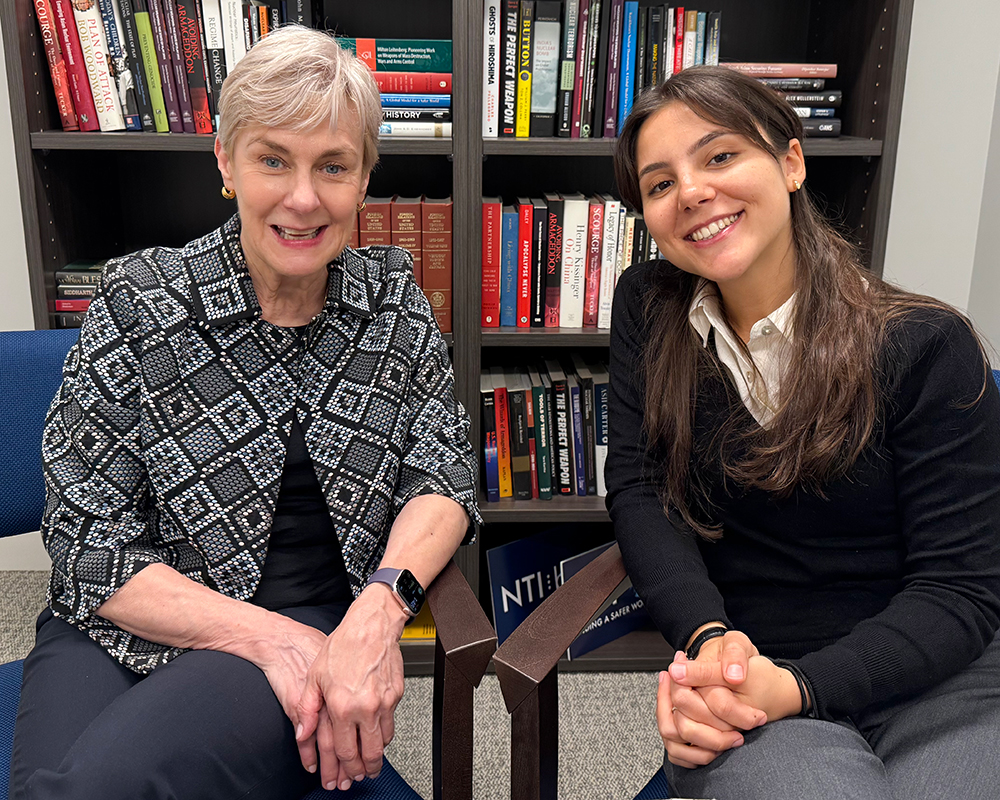
This interview captures Anita Friedt’s decades-long career at the State Department and White House, navigating US-Russia-NATO relations, particularly missile defense and strategic stability. Anita reflects on lessons learned, missed opportunities, and shares her advice for re-establishing dialogue among nuclear powers to reduce the risk of escalation.
Listen to interview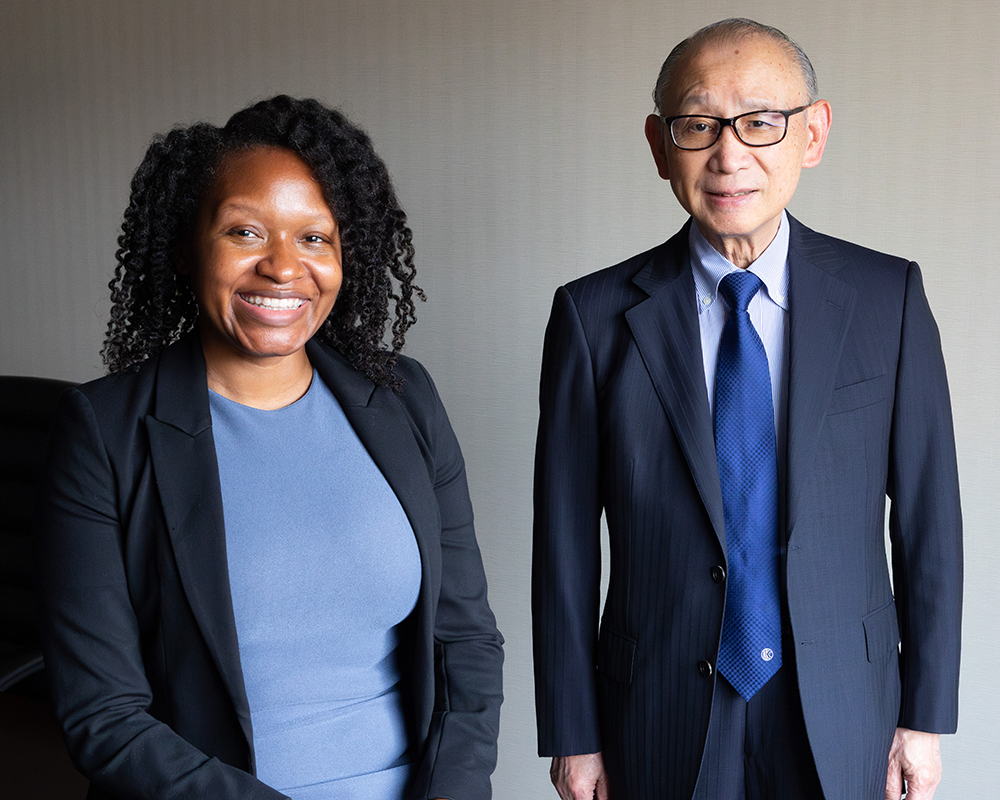
Nobuyasu Abe
Interviewed by Rayna Celeste Rogers
Nobuyasu Abe
Interviewed by Rayna Celeste Rogers
This oral history explores Ambassador Nobuyasu Abe’s lifelong commitment to nuclear arms control and disarmament. Across three sessions, it examines what shaped his path, how he worked within and beyond multilateral institutions, and what he learned along the way.
Listen to interview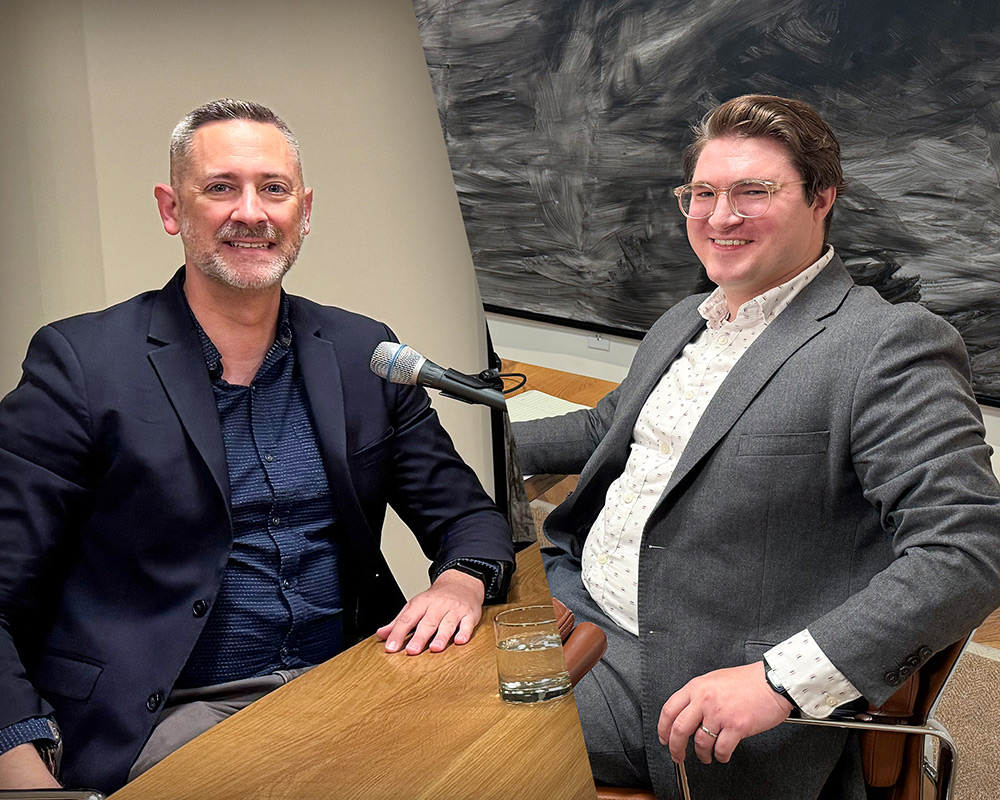
Richard Johnson
Interviewed by Max Hoell
Richard Johnson
Interviewed by Max Hoell
Richard Johnson reflects on nearly two decades at the center of U.S. nuclear diplomacy, including work as a disablement monitor at Yongbyon during the Six-Party Talks and as a lead implementer of the Iran nuclear deal (Joint Comprehensive Plan of Action, or JCPOA). He compares the North Korea and Iran files, and considers what both cases reveal about the limits…
Listen to interview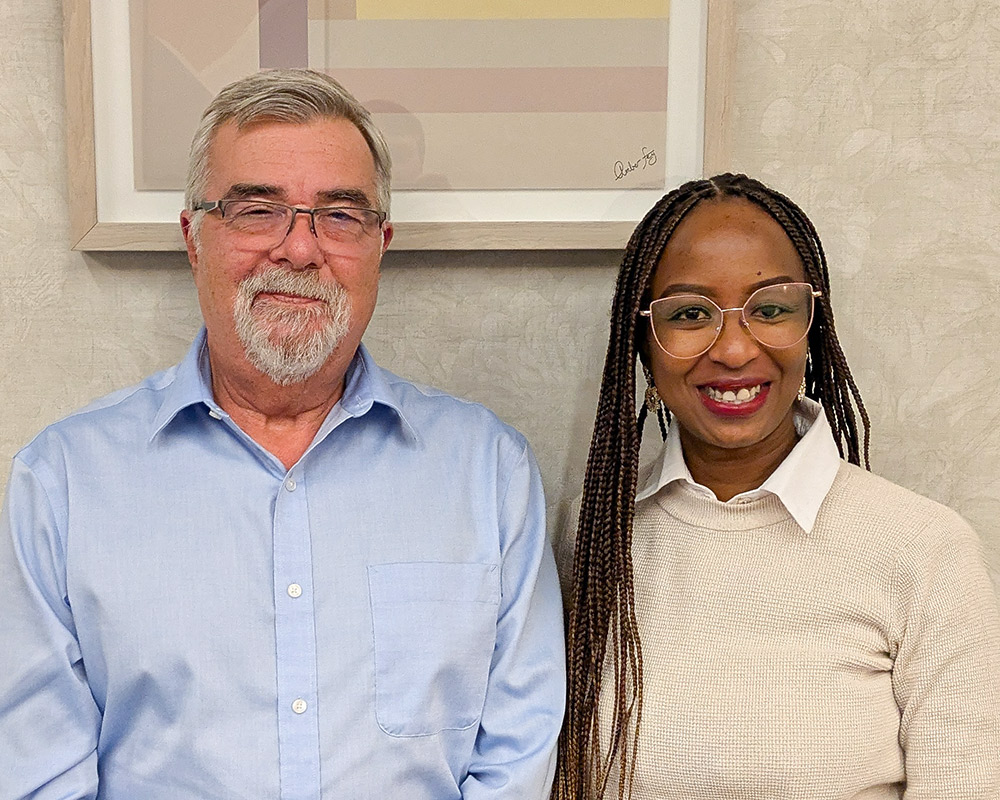
Thomas Markram
Interviewed by Esther W. Kabochi
Thomas Markram
Interviewed by Esther W. Kabochi
Thomas Markram traces his journey through nuclear diplomacy to the 2010 Non-Proliferation Treaty Review Conference, where he served as Secretary-General. Using 2010 as the central lens, the interview goes behind the scenes of consensus, showing how tensions were managed, how cooperation was sustained, and what his wider experience reveals about reducing nuclear risk.
Listen to interview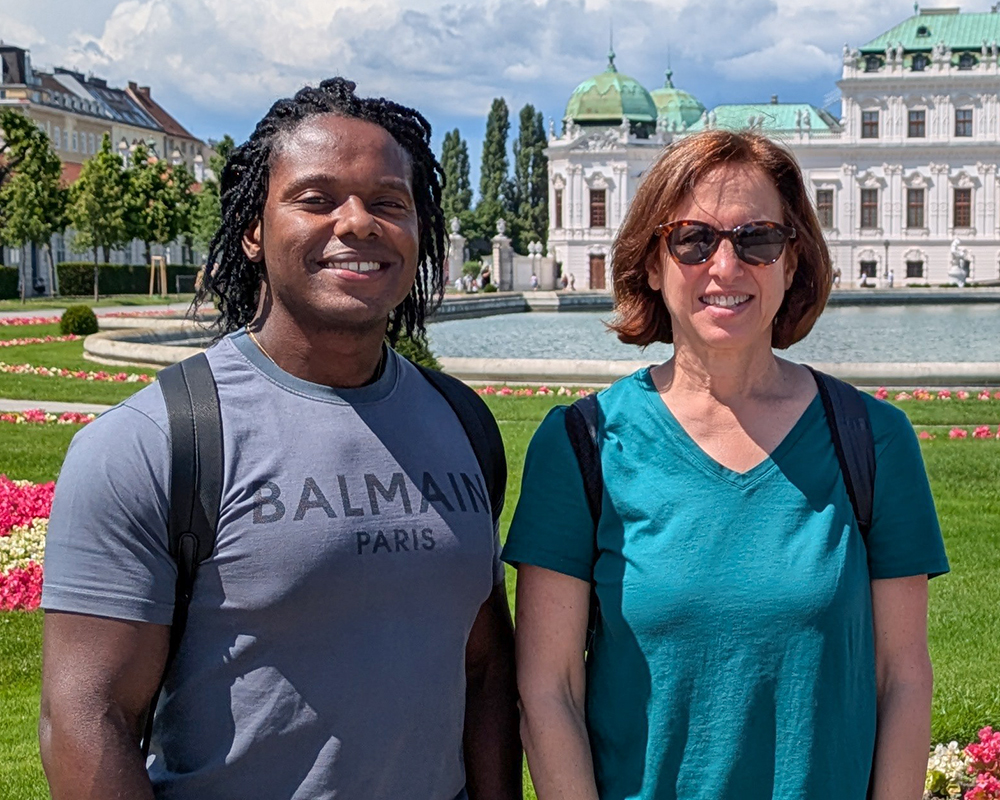
Lynn Rusten
Interviewed by Ian Fleming Zhou
Lynn Rusten
Interviewed by Ian Fleming Zhou
Lynn Rusten, former senior US arms control official, reflects on her career and central role in negotiating the 2010 New START Treaty. She discusses the interagency process, US-Russia dynamics, verification provisions, and lessons learned. Drawing on decades of experience from the original START Treaty through New START, she assesses the current absence of strategic arms control and prospects for future…
Listen to interview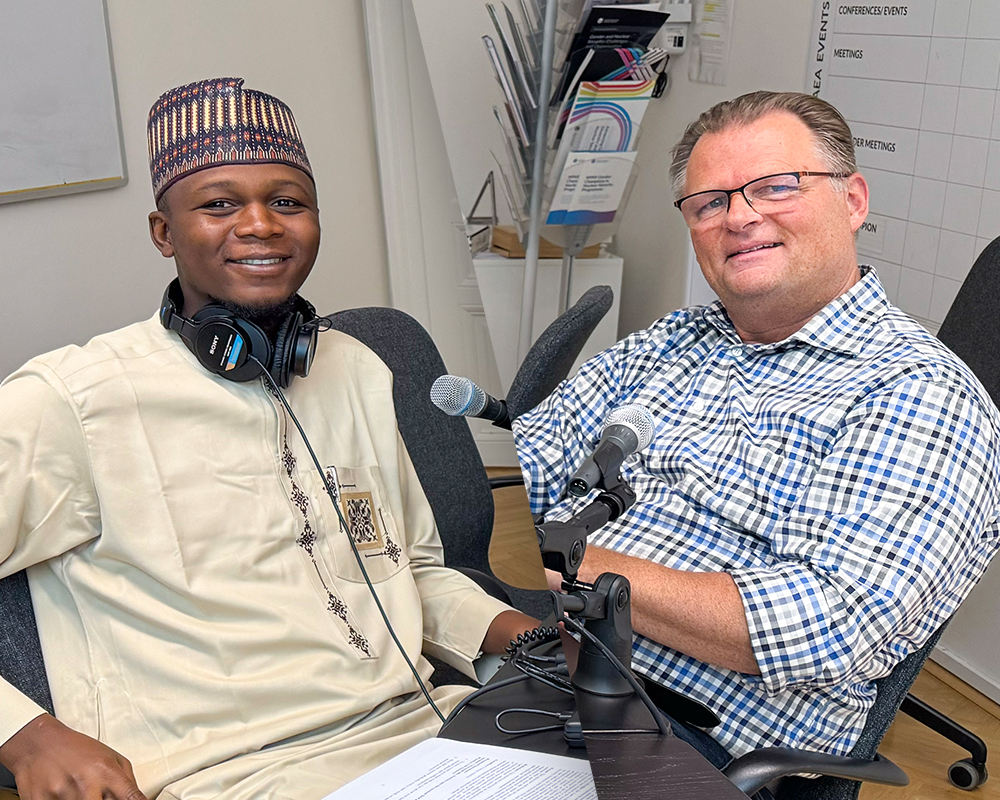
Lars van Dassen
Interviewed by Abubakar Sadiq Aliyu
Lars van Dassen
Interviewed by Abubakar Sadiq Aliyu
Lars van Dassen reflects on more than three decades in nuclear affairs, from peace research to nuclear security and international cooperation. He shares stories from his work in Russia, Ukraine and Africa, discusses his leadership at the World Institute for Nuclear Security (WINS), and reflects on nuclear security, risk reduction, and disarmament in a changing international environment.
Listen to interview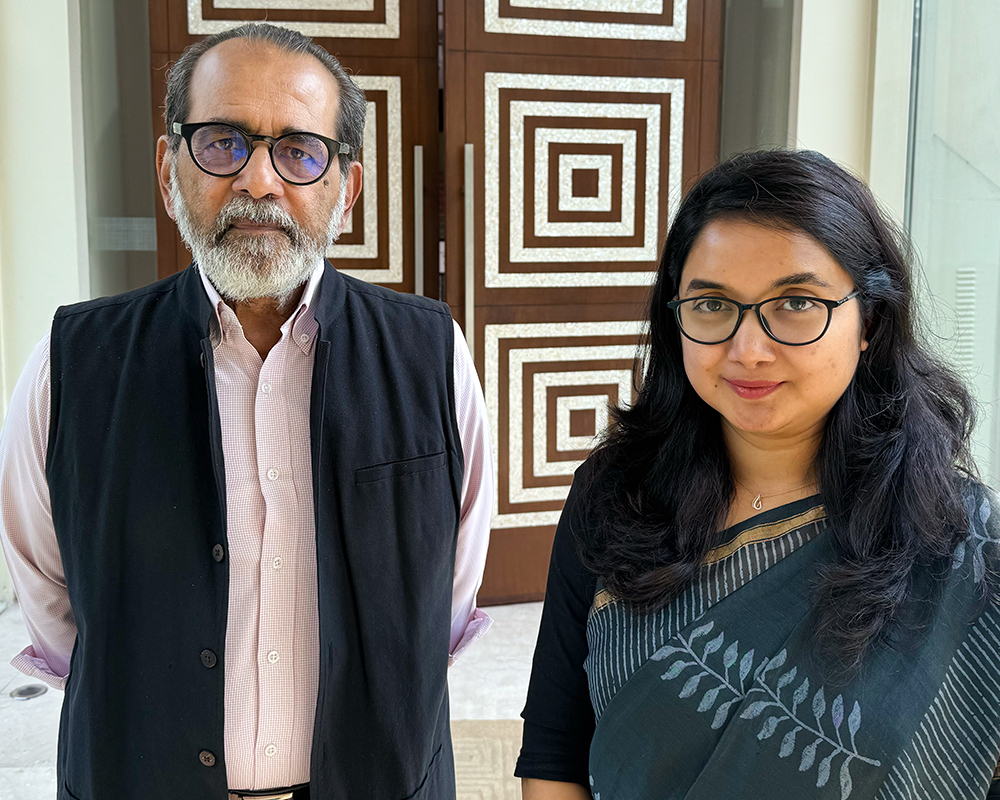
Rakesh Sood
Interviewed by Nasima Khatoon
Rakesh Sood
Interviewed by Nasima Khatoon
This interview with Ambassador Rakesh Sood explores his service in the Indian Foreign Service and experience in diverse bilateral and multilateral disarmament negotiations, including his tenure as India’s first Ambassador to the Conference on Disarmament, his engagement in negotiating confidence building measures with Pakistan, and the India-US bilateral talks. It also covers his tenures as Ambassador to Afghanistan, Nepal, and…
Listen to interview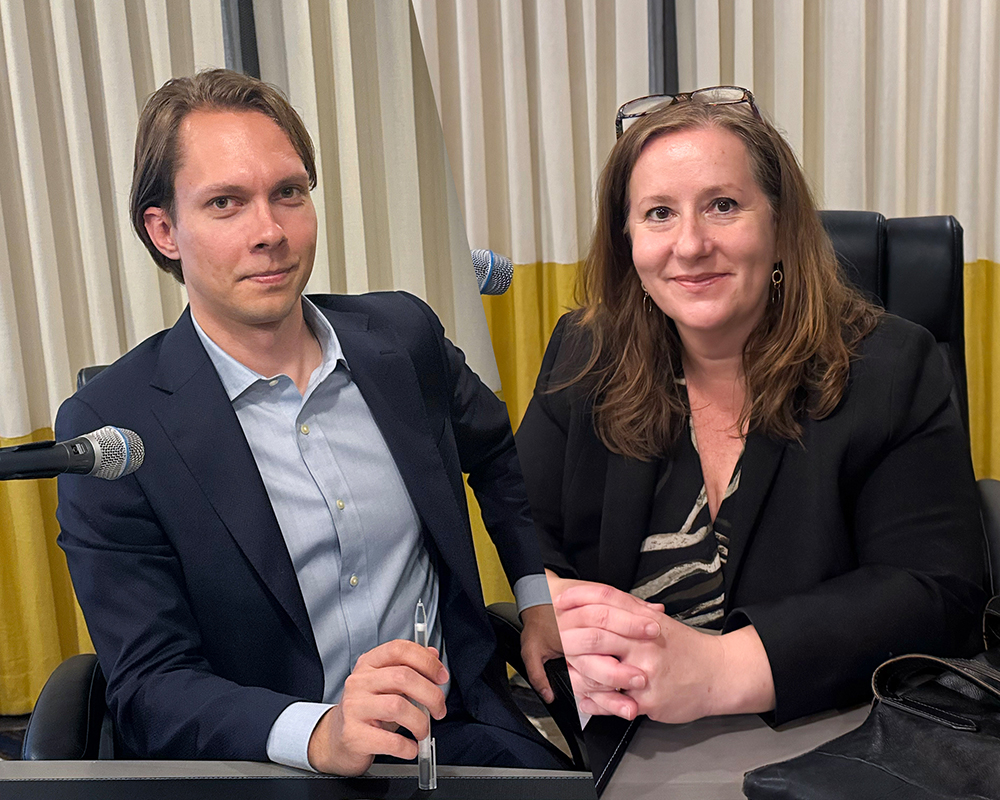
Elena Thomas-Kerr
Interviewed by Dan Zhukov
Elena Thomas-Kerr
Interviewed by Dan Zhukov
Elena Thomas-Kerr, a long-time practitioner of nuclear nonproliferation and energy diplomacy at the US Department of Energy, shares her experience working on implementation of the US-Russia Highly Enriched Uranium Purchase Agreement and other important nonproliferation endeavors. This interview offers a wealth of lessons in diplomacy and program management for aspiring and future nuclear nonproliferation and risk reduction practitioners.
Listen to interview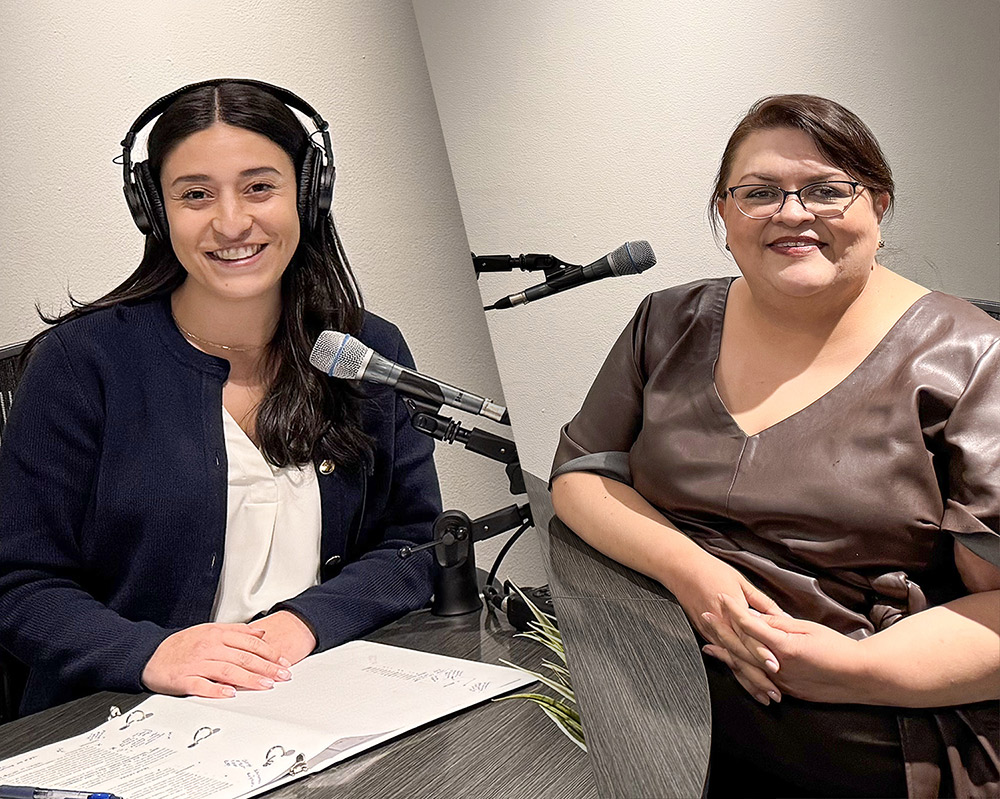
María Antonieta Jáquez
Interviewed by Isabel (Isa) Martinez
María Antonieta Jáquez
Interviewed by Isabel (Isa) Martinez
Minister María Antonieta (Tonie) Jáquez reflects on Mexico’s historic leadership on nuclear disarmament and risk reduction, from the Treaty for the Prohibition of Nuclear Weapons in Latin America and the Caribbean to the Treaty on the Prohibition of Nuclear Weapons. The interview highlights Mexico’s engagement in multilateral diplomacy with lessons about the influence of non-nuclear-weapon states in shaping global nuclear…
Listen to interview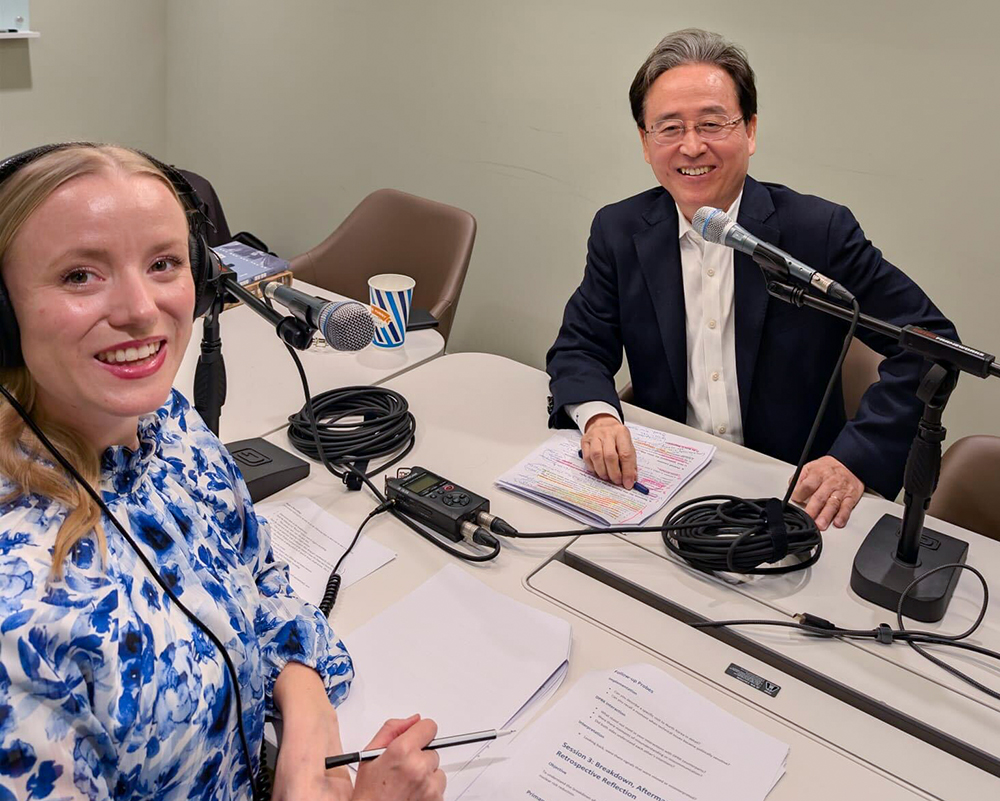
Shin Bong-kil
Interviewed by Elin Bergner
Shin Bong-kil
Interviewed by Elin Bergner
Retired South Korean diplomat Shin Bong-kil reflects on his work on North Korean nuclear affairs. He discusses the 1994 Agreed Framework, South Korea’s role in KEDO, his six visits to the light-water reactor site, and the Six-Party Talks. Drawing on these experiences, he considers missed diplomatic opportunities, the value of sustained engagement, and lessons for future negotiations with North Korea.
Listen to interview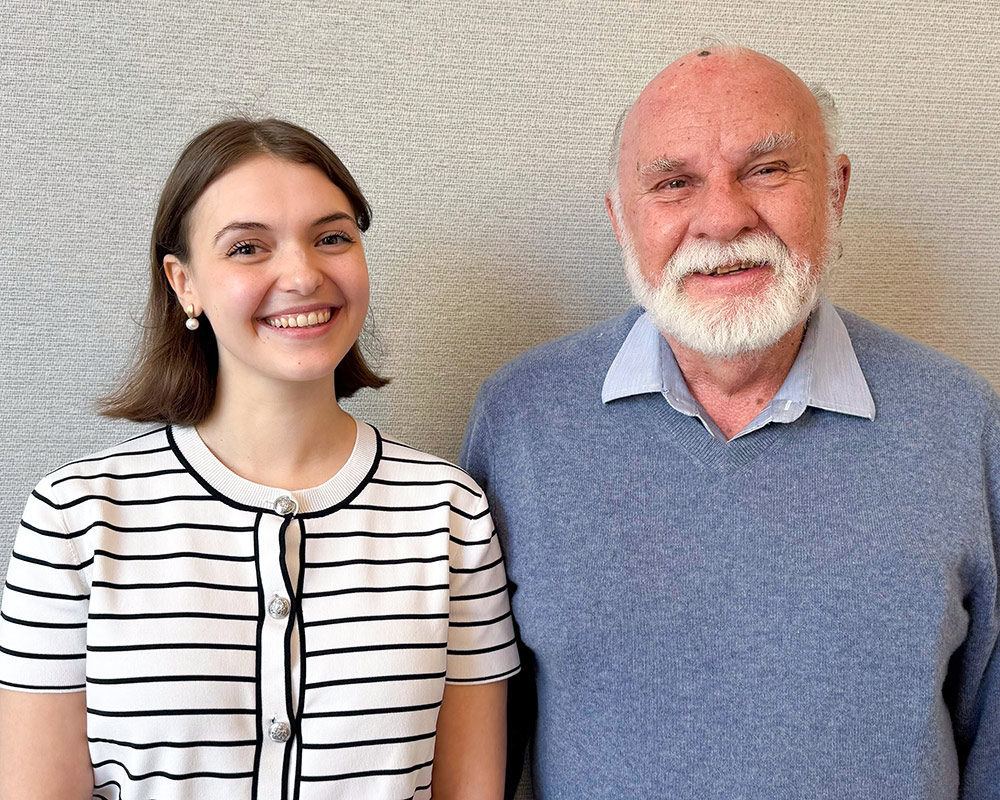
Dimitry Zarechnak
Interviewed by Francesca Azzia
Dimitry Zarechnak
Interviewed by Francesca Azzia
Dimitry Zarechnak, who served as a US State Department Russian interpreter during the Cold War and its aftermath, shares his experiences interpreting at historic summits and high-level meetings between the US and the Soviet Union, and later Russia. Zarechnak reveals the often overlooked role interpreters play in international diplomacy and nuclear risk reduction, and reflects on how the profession has…
Listen to interview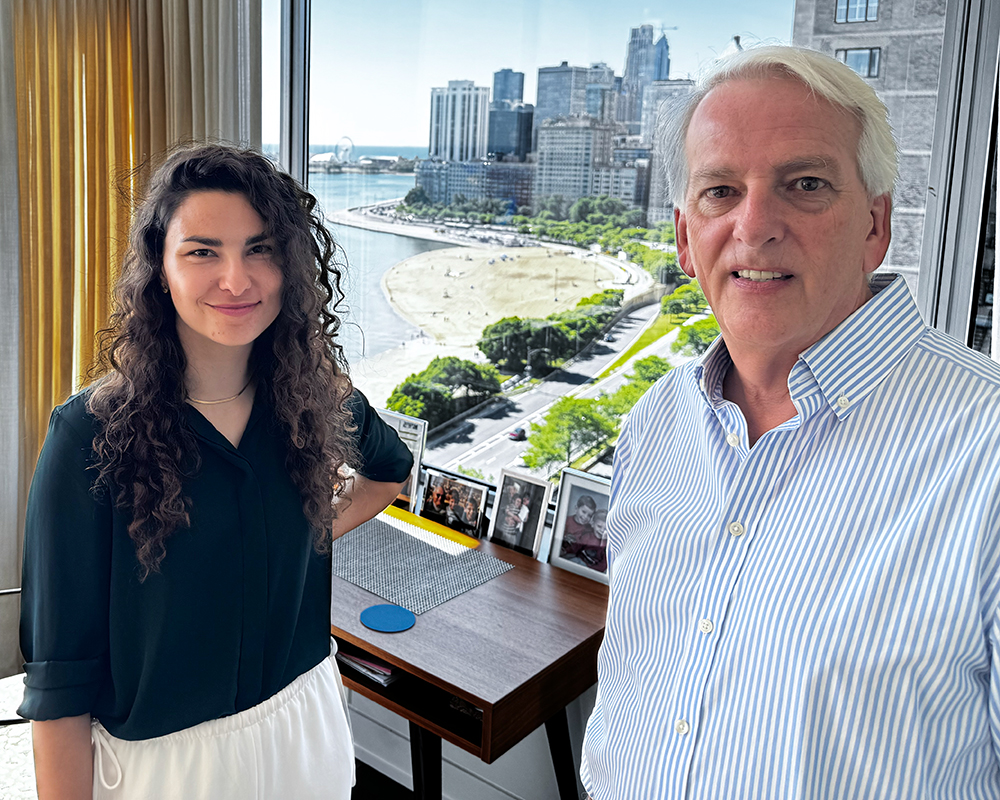
Ivo Daalder
Interviewed by Franziska Stärk
Ivo Daalder
Interviewed by Franziska Stärk
Ambassador Ivo Daalder reflects on nuclear risk reduction efforts during the first Obama administration, from the drafting of the 2010 Nuclear Posture Review to debates over US nuclear weapons in Europe. His account reveals how timing, sequencing, bureaucratic path dependencies, and alliance politics shaped what could—and could not—be achieved.
Listen to interview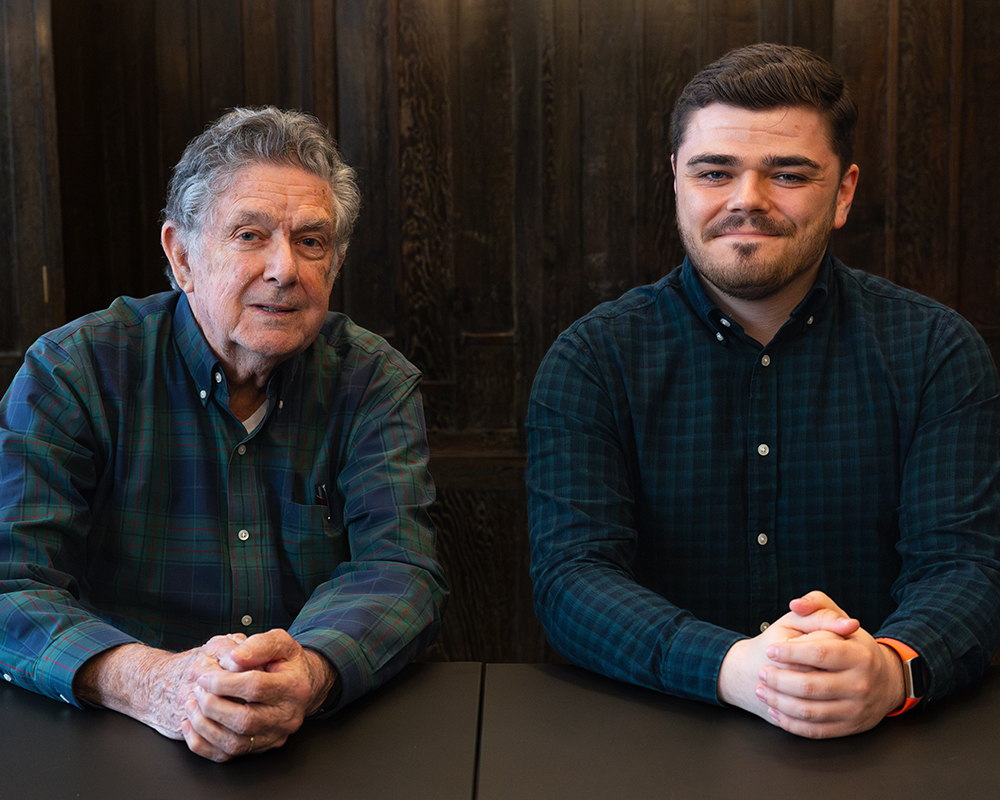
Robert E. Kelley
Interviewed by Declan Penrose
Robert E. Kelley
Interviewed by Declan Penrose
Robert Kelley tells Declan Penrose about his career path from nuclear engineering at Los Alamos and Lawrence Livermore National Laboratory, and his shift into intelligence analysis. He then recounts his work for the IAEA 1991 to 1993 and again from 2001 to 2009 where he led nuclear inspections In Iraq twice, South Africa, Libya, and several other countries.
Listen to interview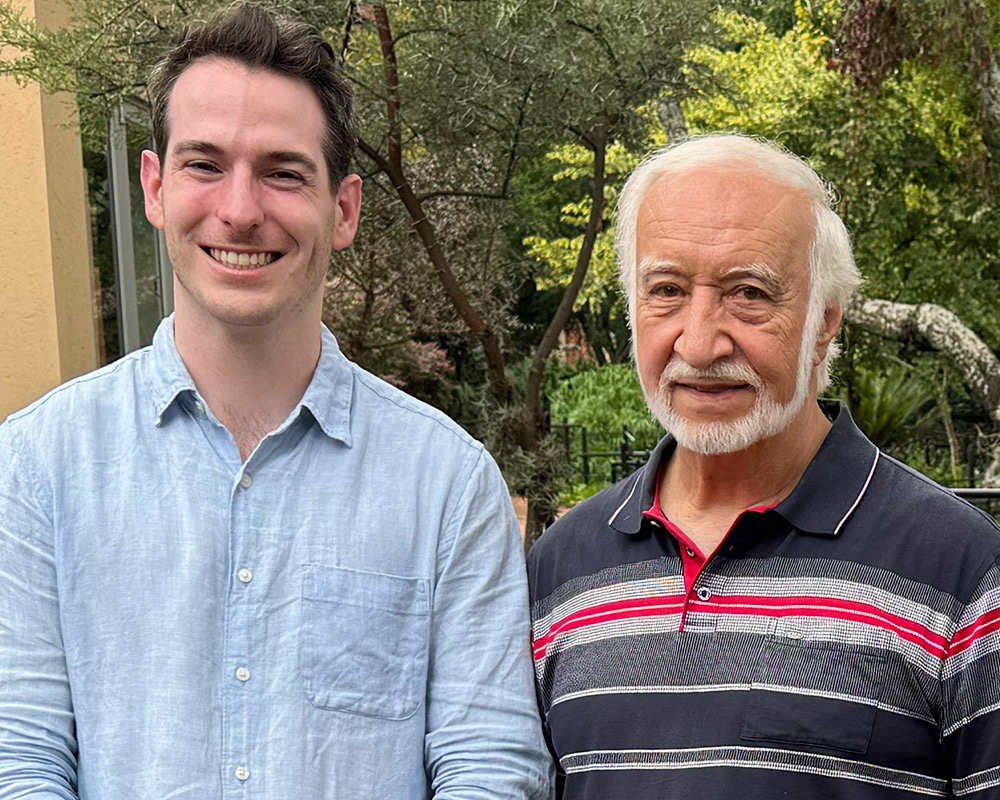
André Buys
Interviewed by Matt Korda
André Buys
Interviewed by Matt Korda
Dr. André Buys, a central figure in South Africa’s nuclear weapons program, describes the program from its origins as a peaceful nuclear explosives initiative in 1971 through weapons development, strategic planning, and the program's voluntary termination in 1989. He discusses secrecy culture, deterrence strategy, dismantlement, nonproliferation lessons, and his ongoing advocacy for public recognition of South Africa's disarmament legacy.
Listen to interview