The nuclear policy field has invaluable information vested in its stories. Whether told over coffee or into a microphone, stories are an essential way to share practical knowledge and build community across generations. As time passes and treaties lapse, we risk losing the stories and expertise that do not make it into the historical record.
Adventures in Nuclear Risk Reduction aims to facilitate intergenerational knowledge transfer on nuclear policy in practice. The project publishes oral histories and first-person stories on experiences with risk reduction. In producing these records, we create meaningful connections between accomplished practitioners and early career experts.
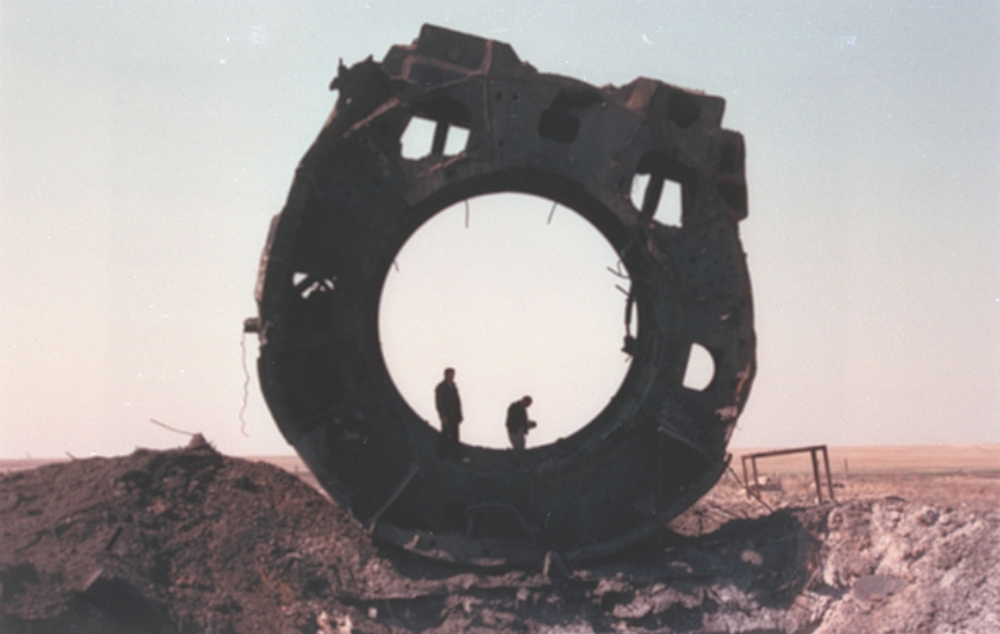
We would be lost without stories. They help us make sense of the world. Because stories are social forms of knowledge, we forget how important they are. We need to tell them, listen to them, question them, and apply lessons from them.
Read MoreIn policy fields, first-hand accounts are often omitted from the archives. Government records might show what happened, but not how events felt to participants, what guided their thinking, or how they interpreted events. By gathering and preserving lived experiences, oral history can fill those gaps in our understanding of history.
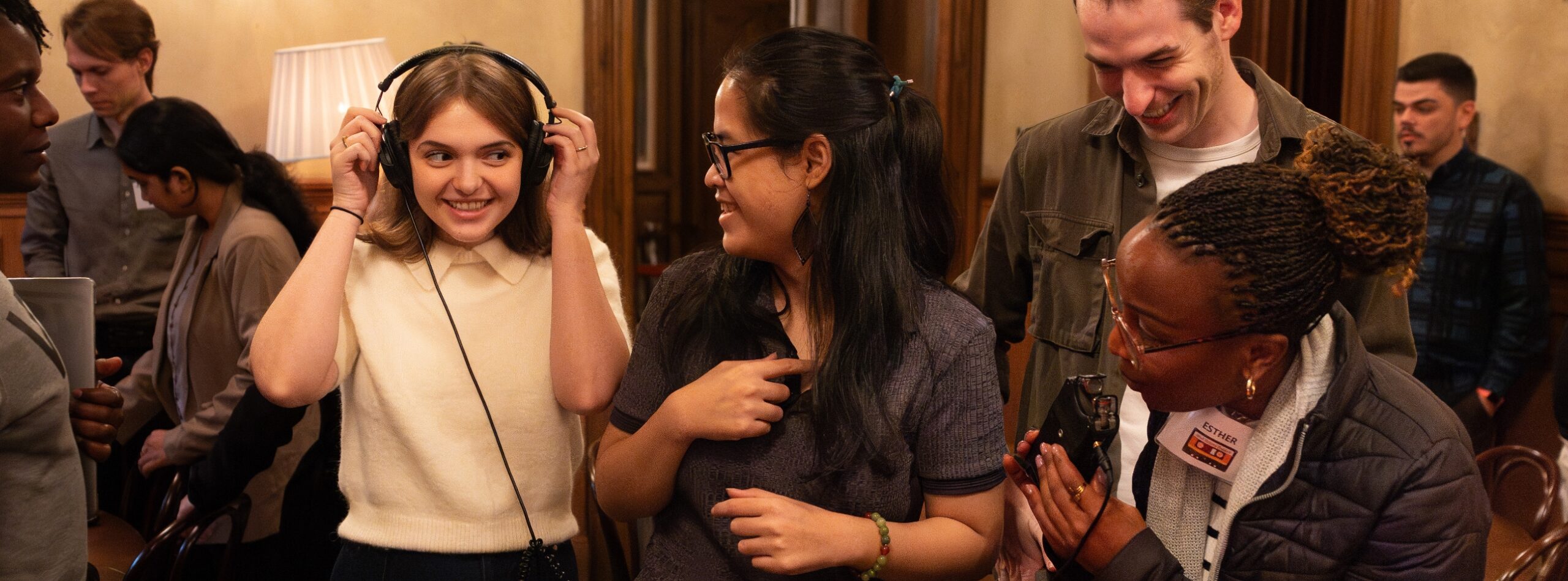
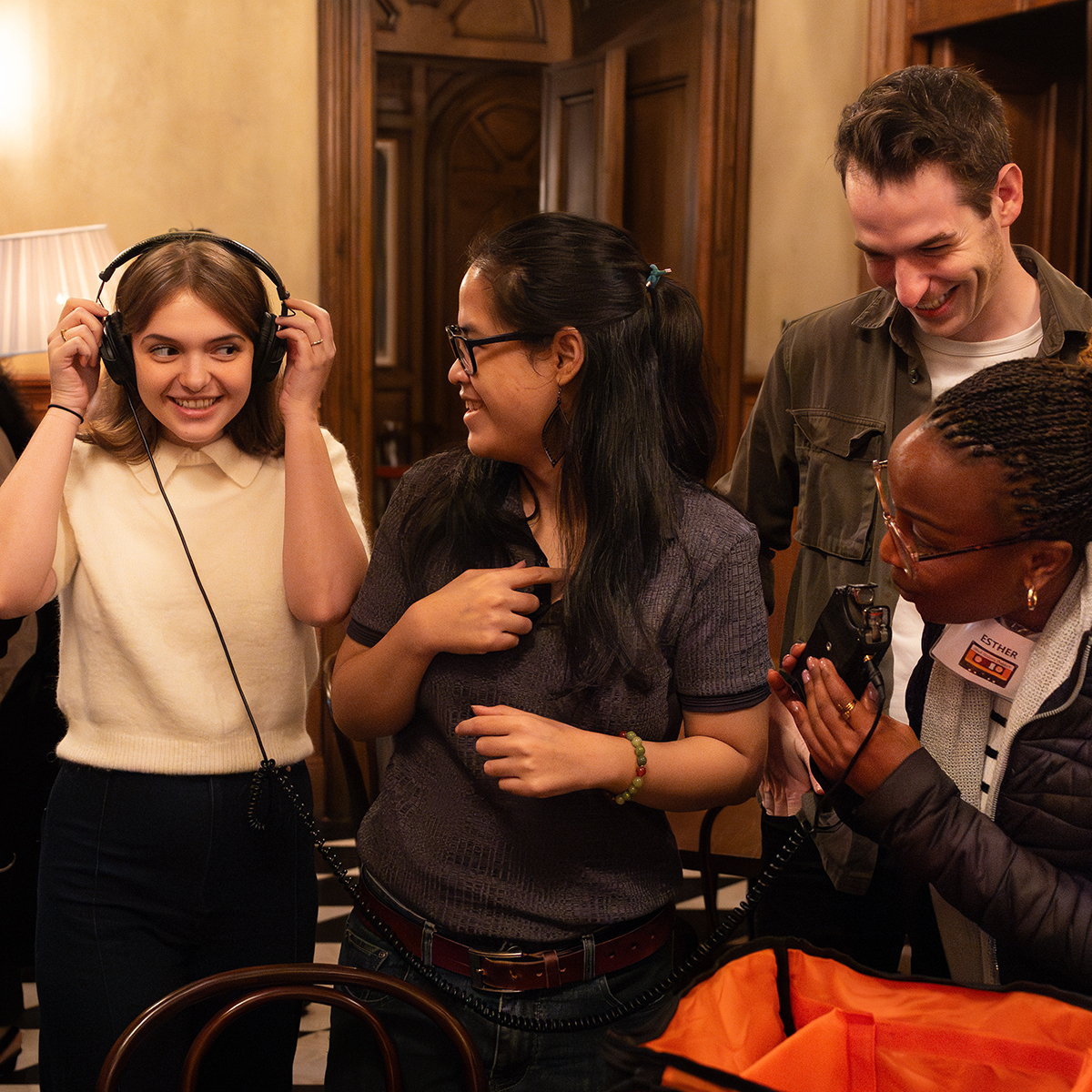
The Adventures in Nuclear Risk Reduction Oral History Project provides professional training on oral history methodology to nuclear policy researchers who seek to develop their skillsets, add primary source data to the historical record, and expand their professional networks.
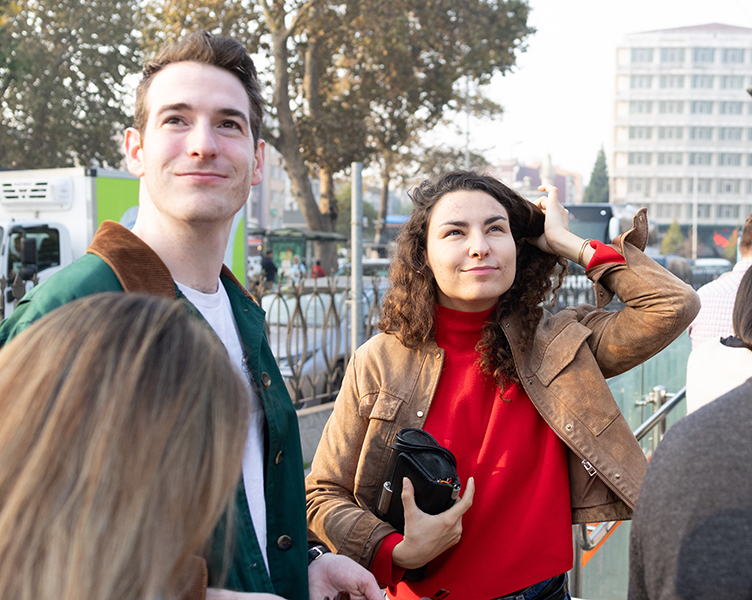
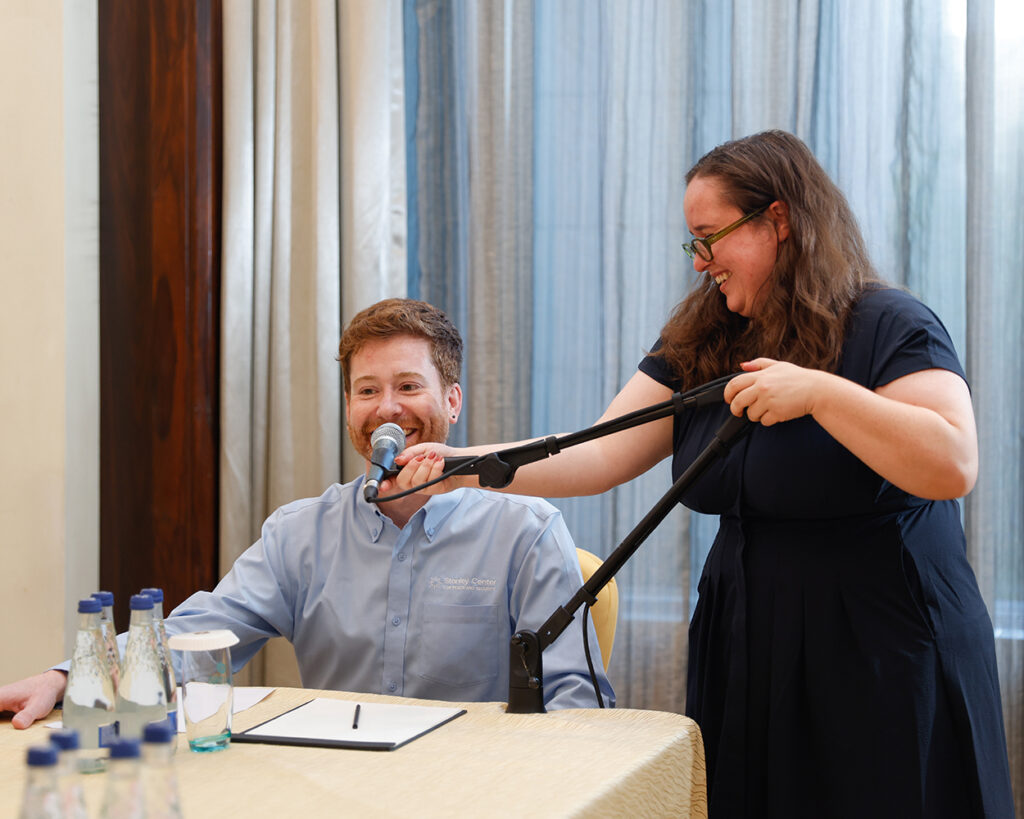
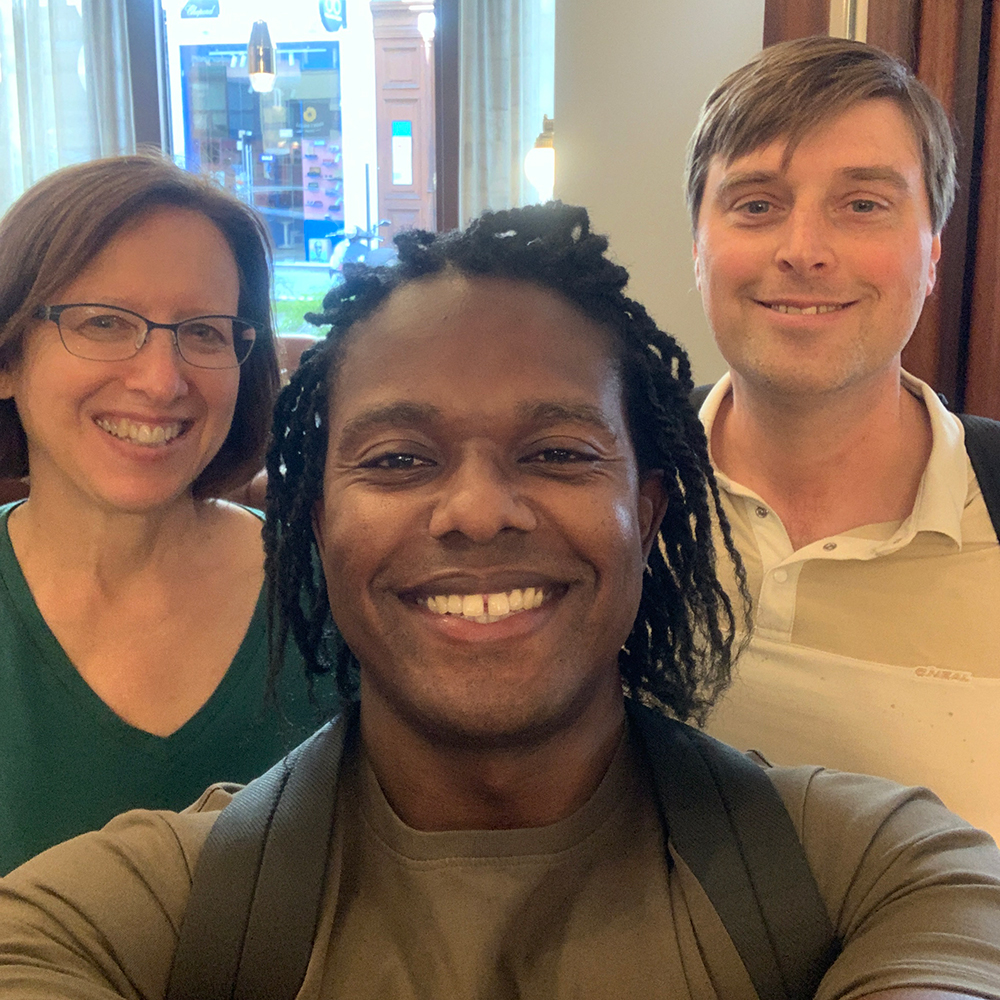
The project began as a collaboration between BASIC and the Stanley Center for Peace and Security. The first cohort came together at a training workshop in Istanbul in late 2025 and travelled the world recording the interviews presented here. The Oral History Project will continue as new cohorts are trained and their oral history interviews are published.


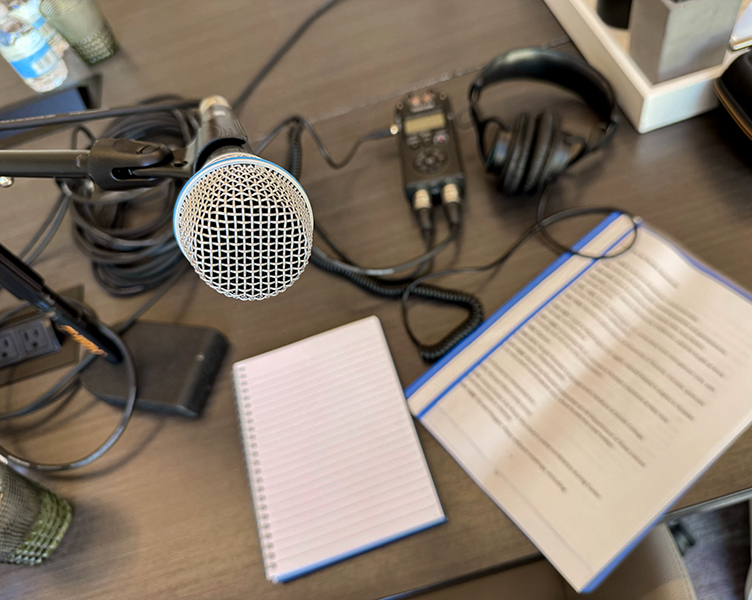
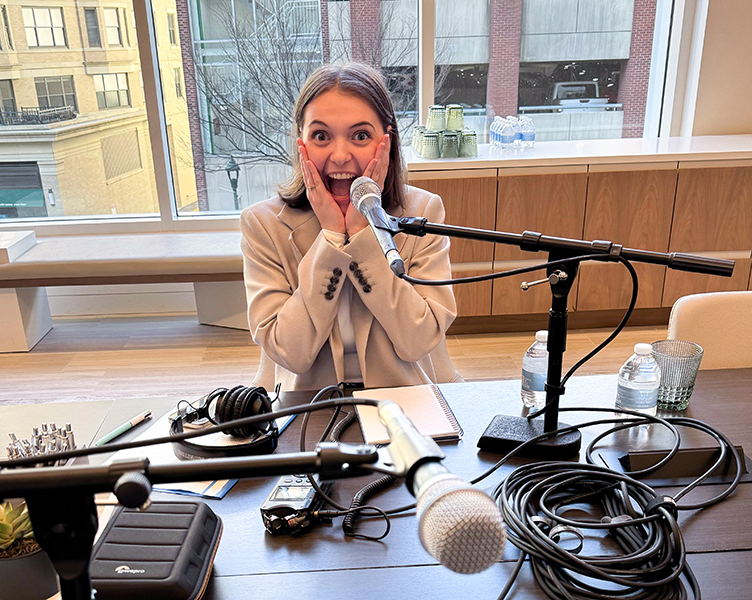
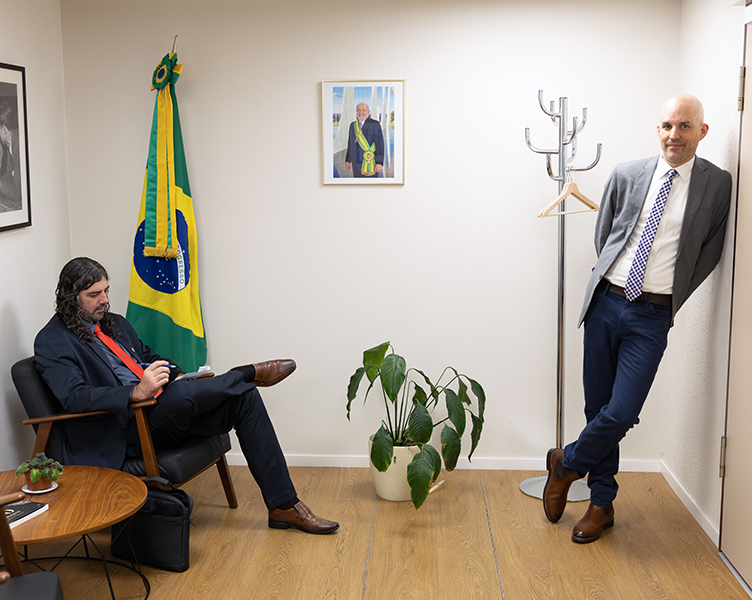
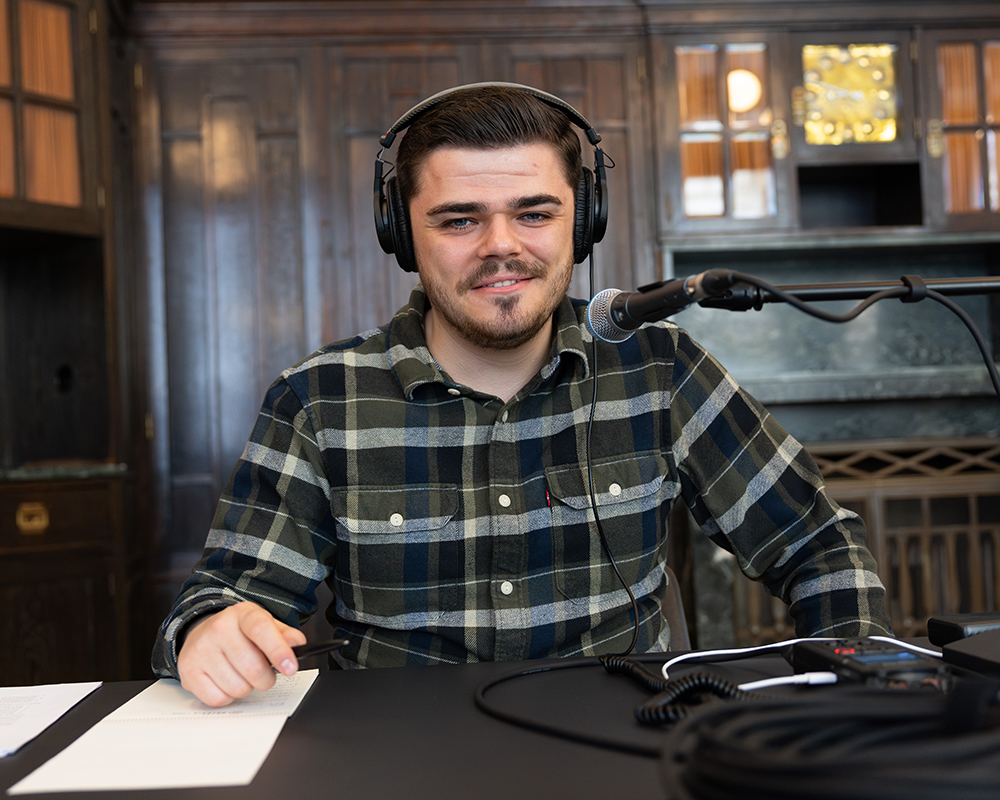

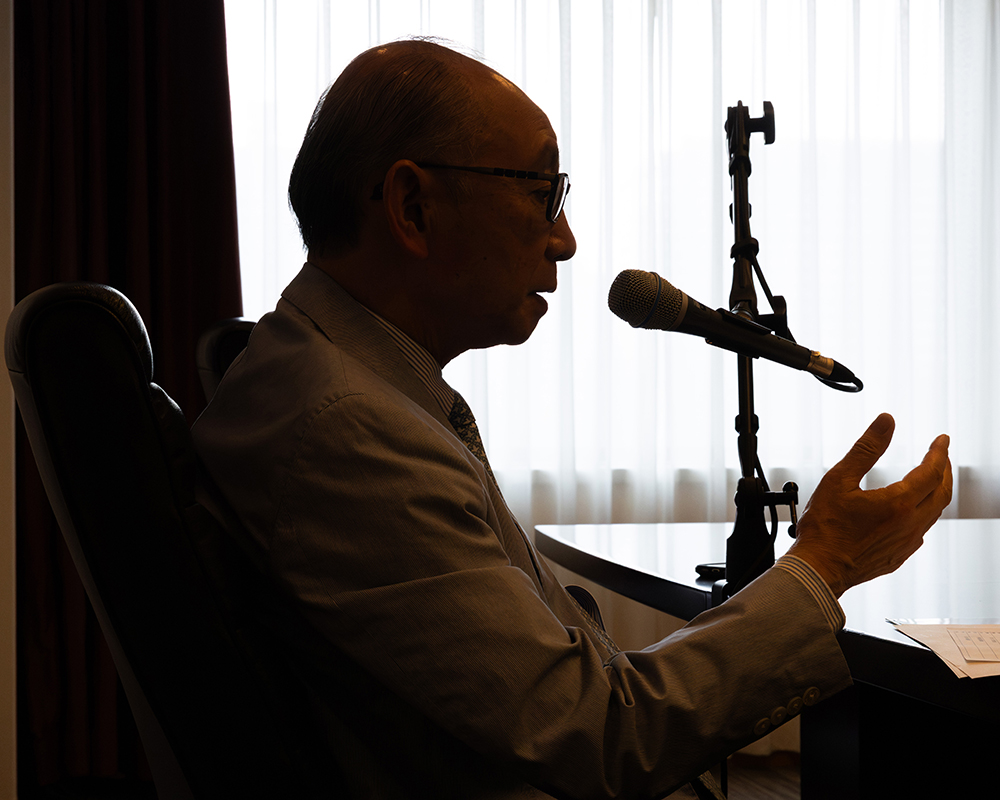
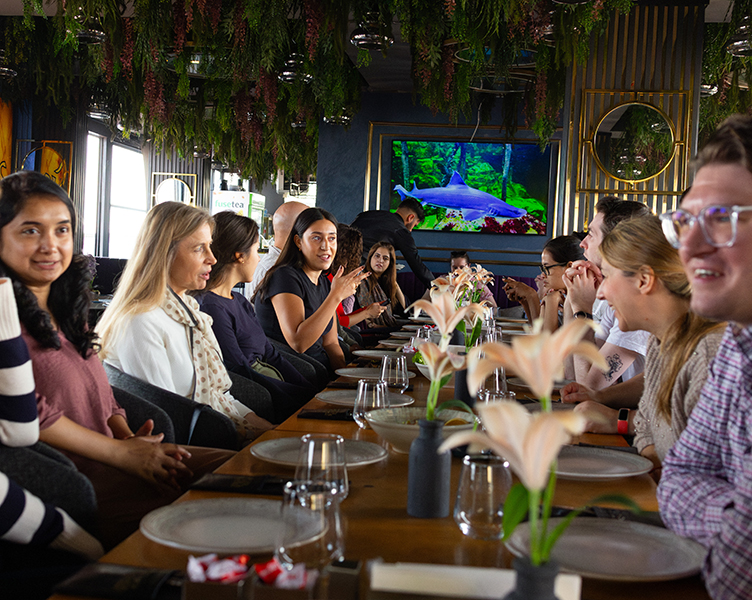
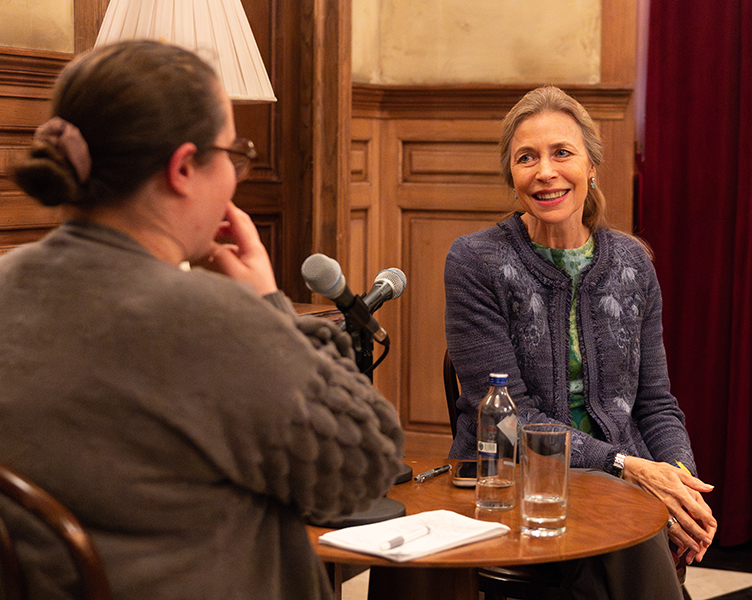
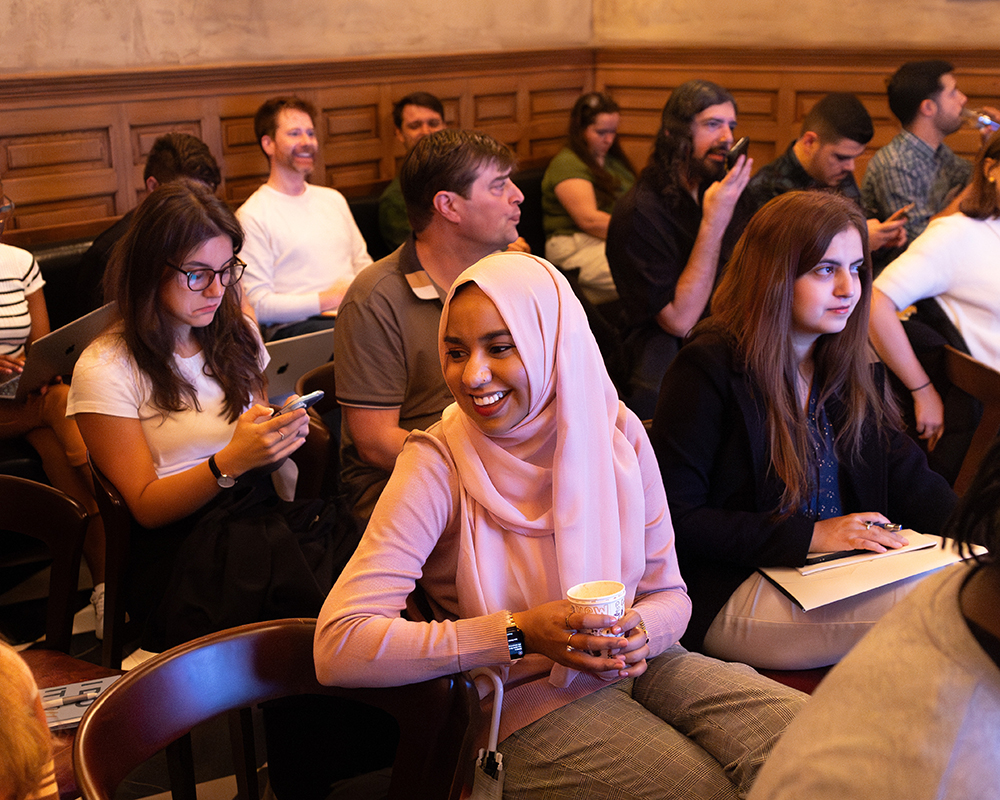
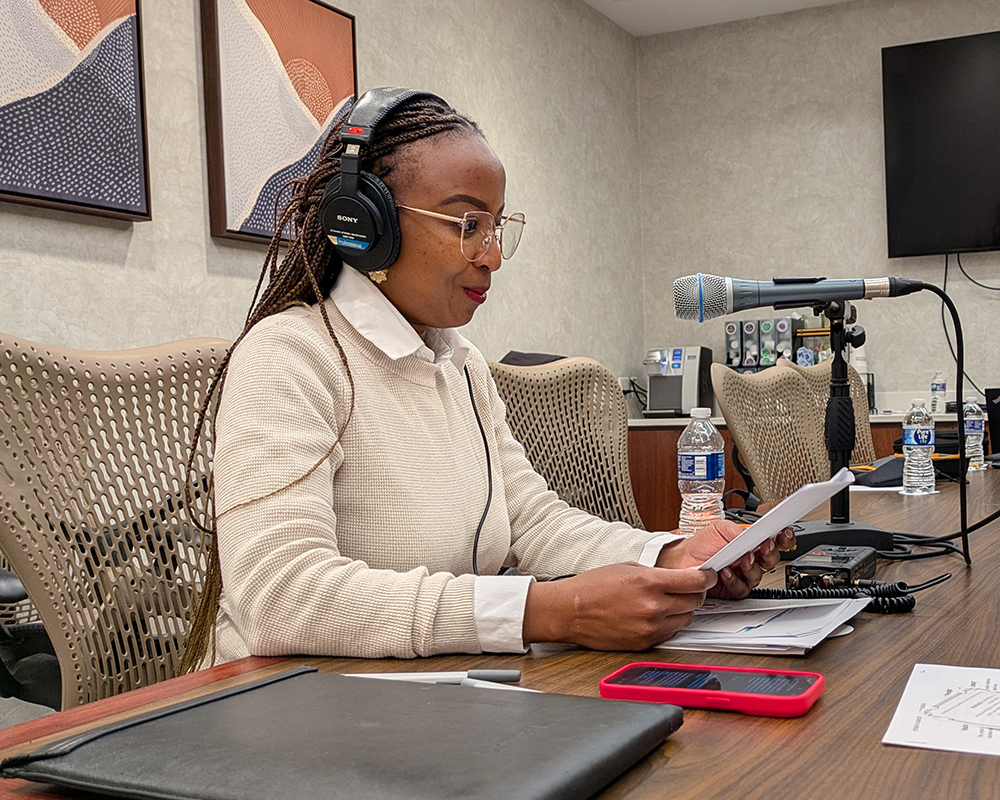
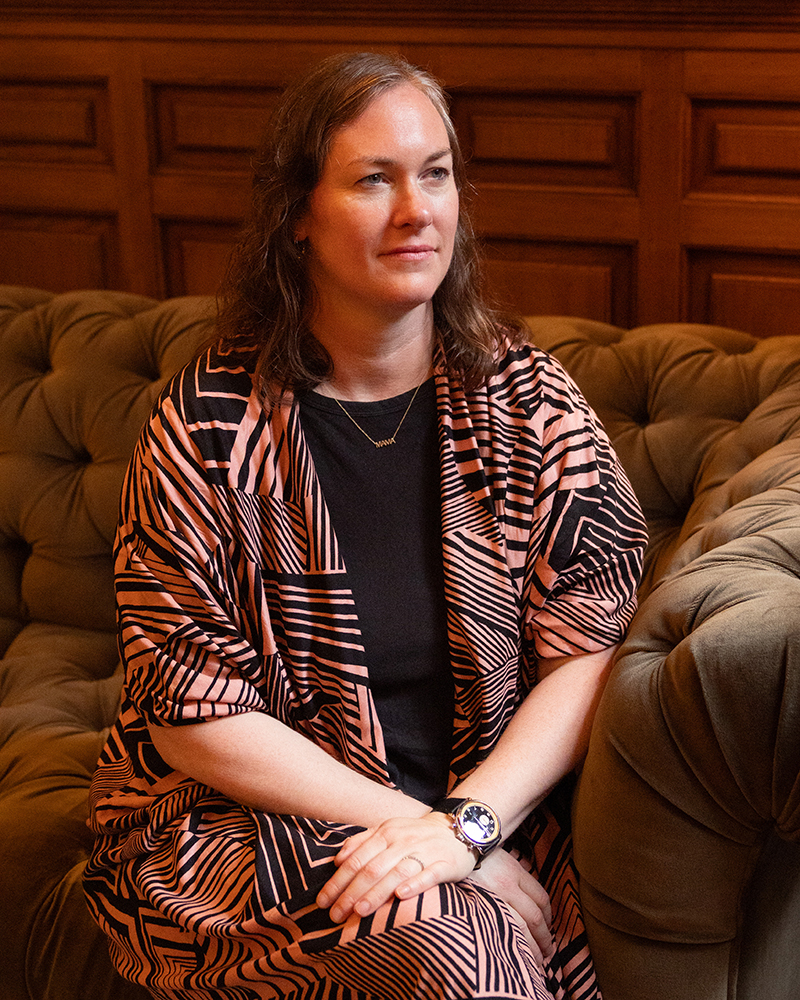
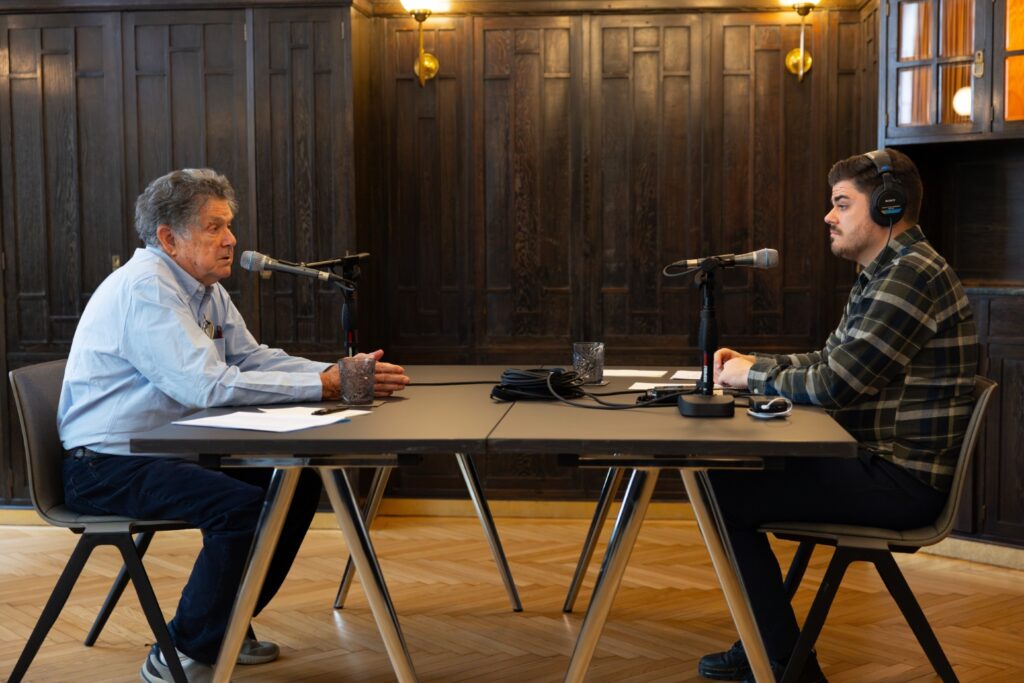
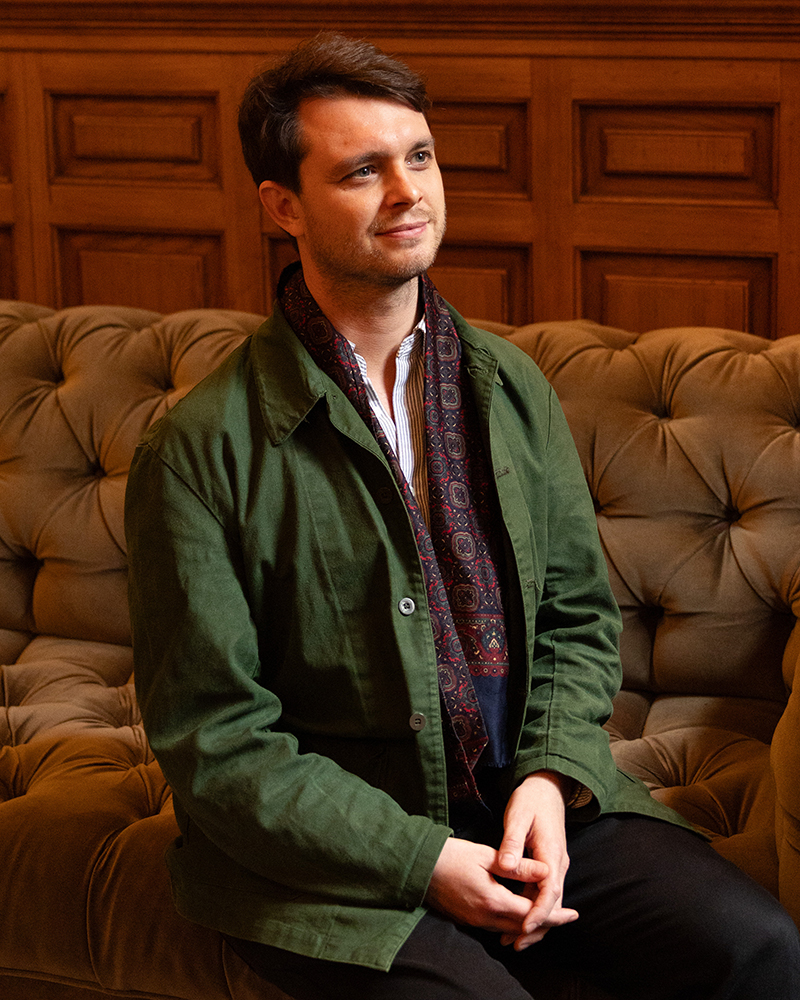
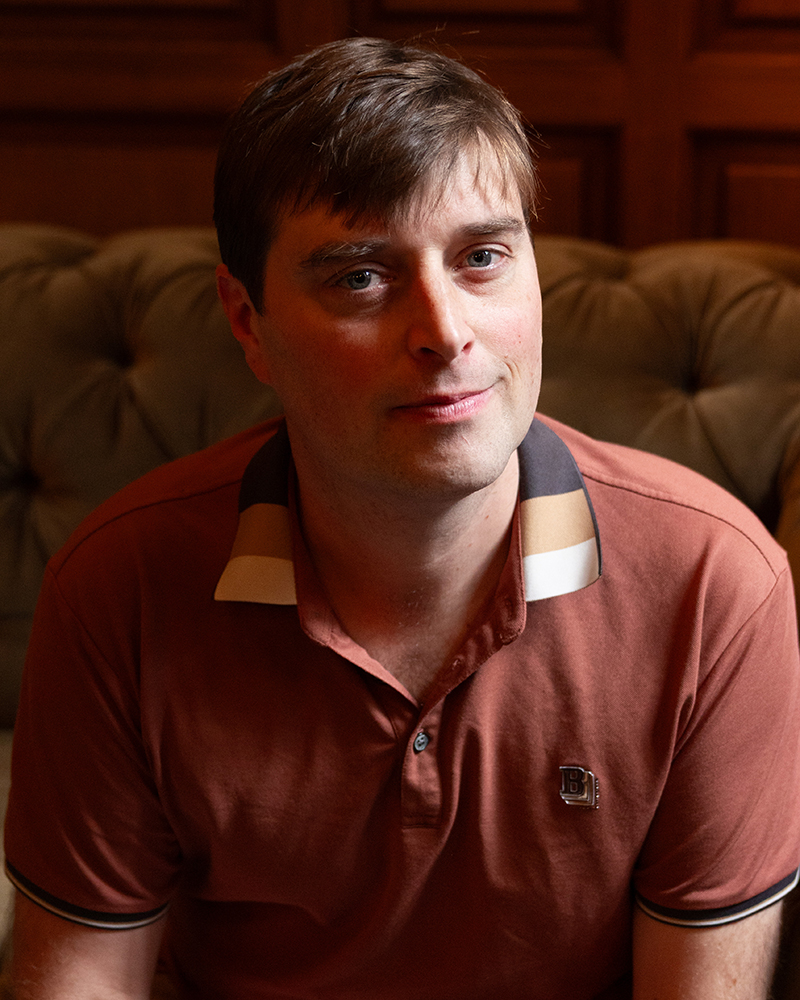
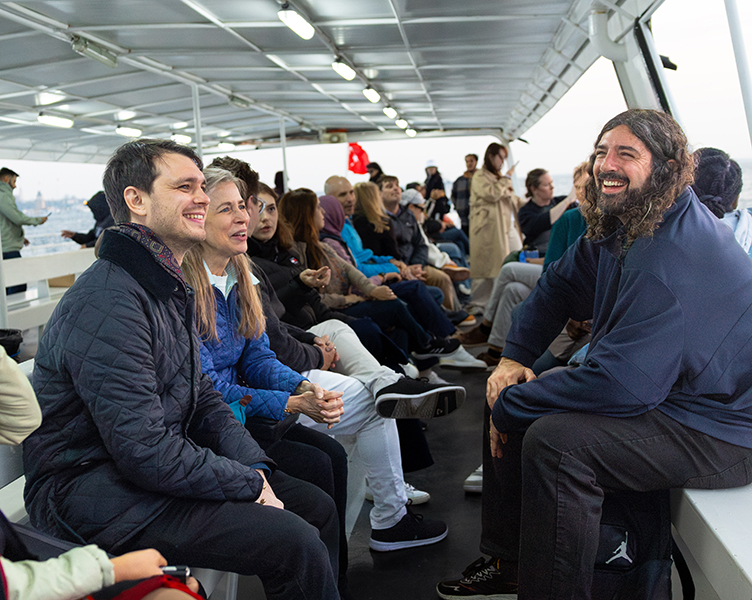
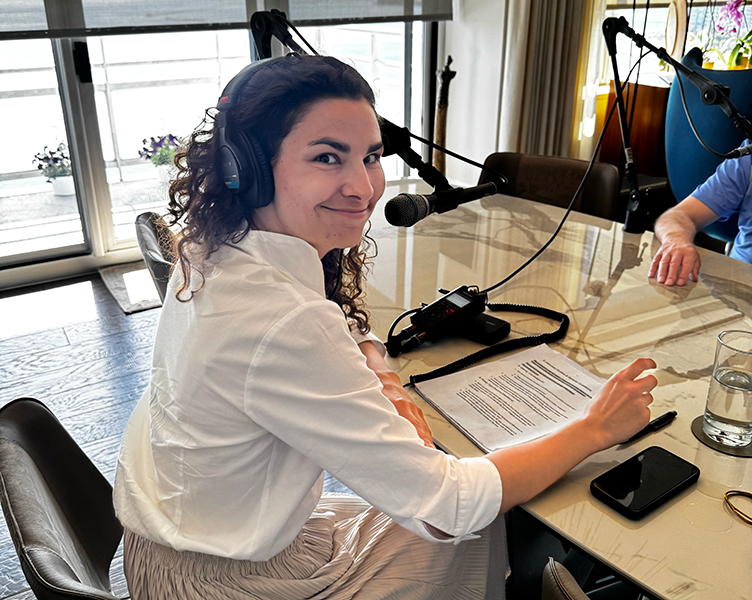
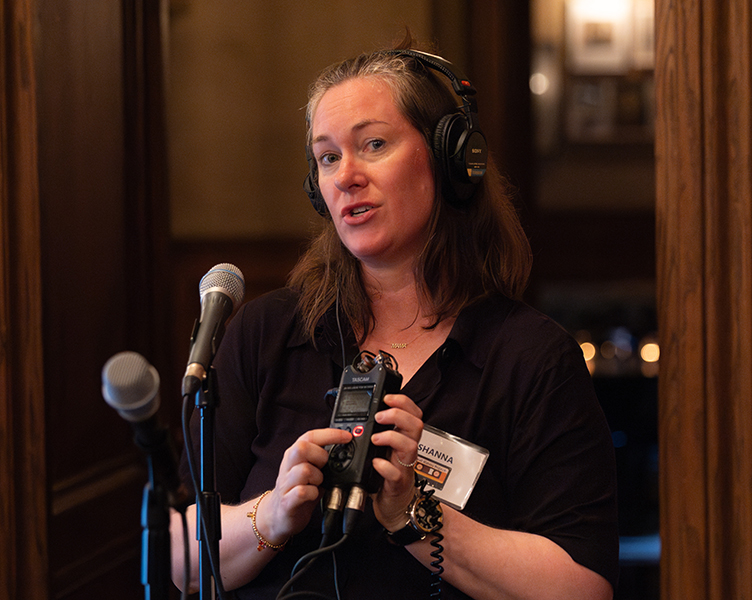
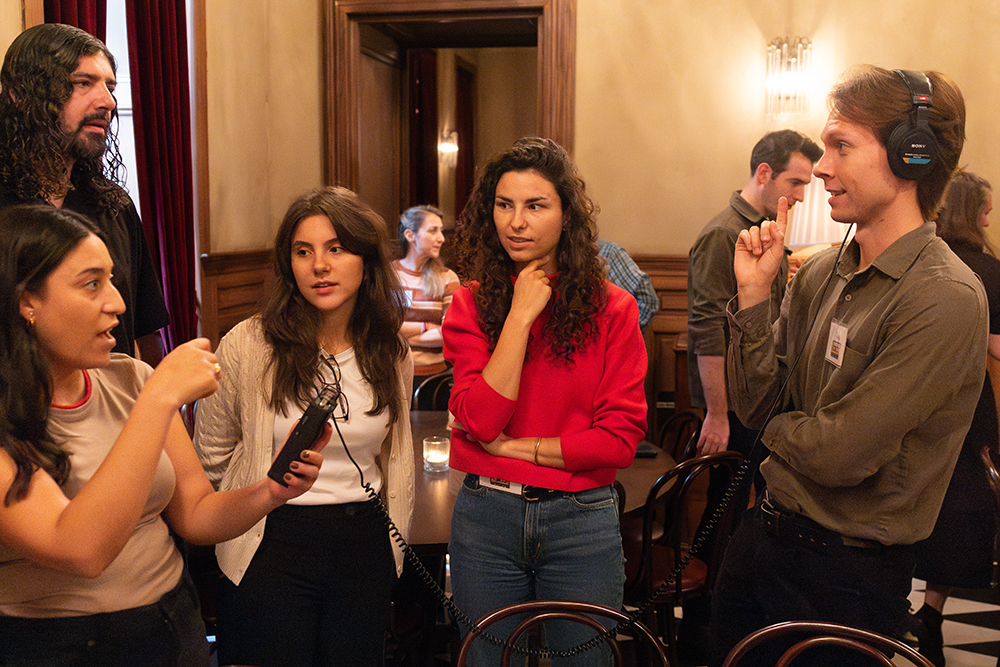
The storytelling project aims to facilitate intergenerational knowledge transfer by publishing stories on first-person experiences with risk reduction and elevating them for discussion between practitioners and early or mid-career experts.
Stories are an essential way that communities build and share knowledge. Because they are highly social forms of knowledge and shared in informal settings, stories often fade as time passes. Adventures in Nuclear Risk Reduction works to preserve stories from nuclear policy officials and relay the tacit knowledge they contain to next generation practitioners.
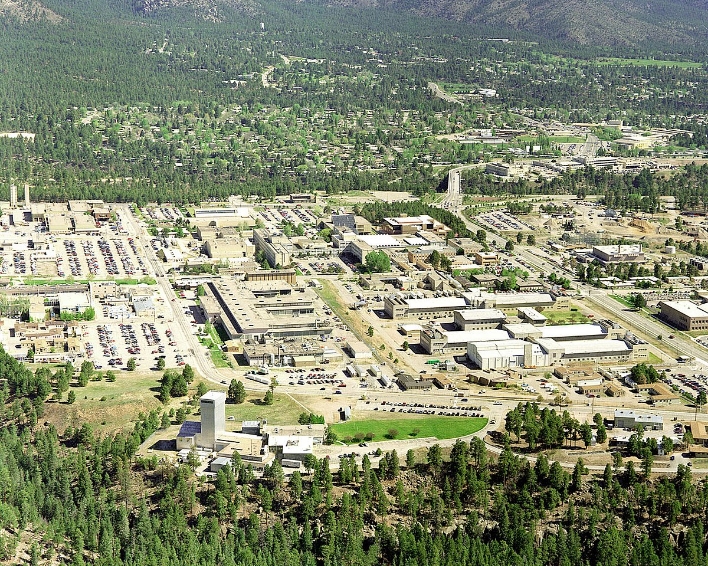
The project began in 2022 and has included workshops in Santa Fe, New Mexico, and Tbilisi, Georgia.

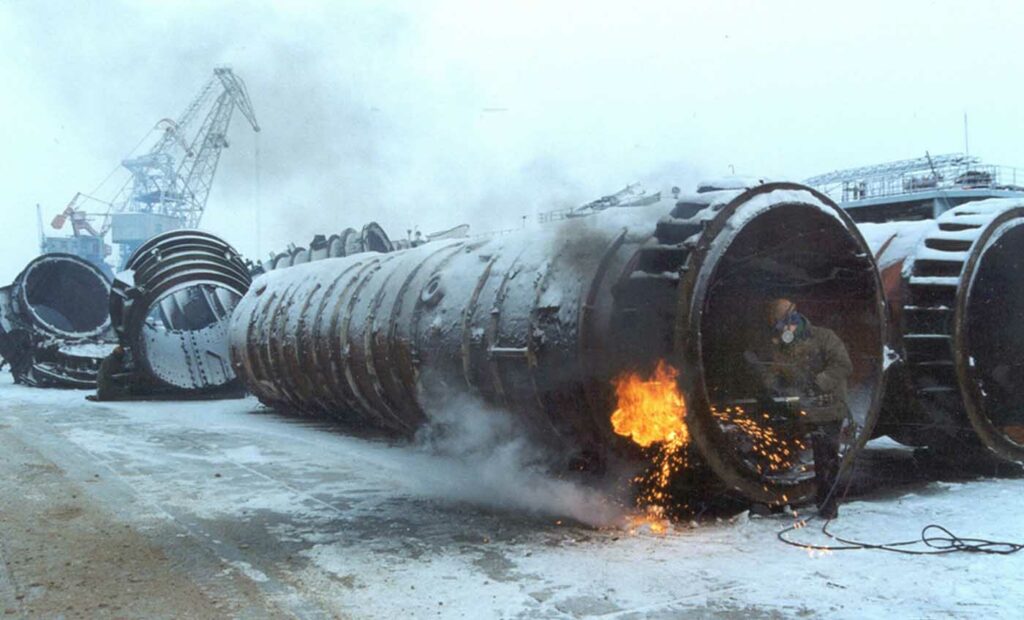
The Stanley Center advances risk reduction solutions to help states prevent the use of nuclear weapons. We believe we can elevate existing approaches and adapt them for other challenges toward risk reduction, and that in doing so, we can nurture progress toward a safer world for all. But this work is urgent, and it will require expanded involvement from stakeholders in both nuclear and nonnuclear states.