This portion of Adventures in Nuclear Risk Reduction preserves stories from nuclear policy experts and relays the tacit knowledge they contain, contributing to learning across generations.
Read, watch, and search these stories from active and retired officials in this policy community.
Podcast
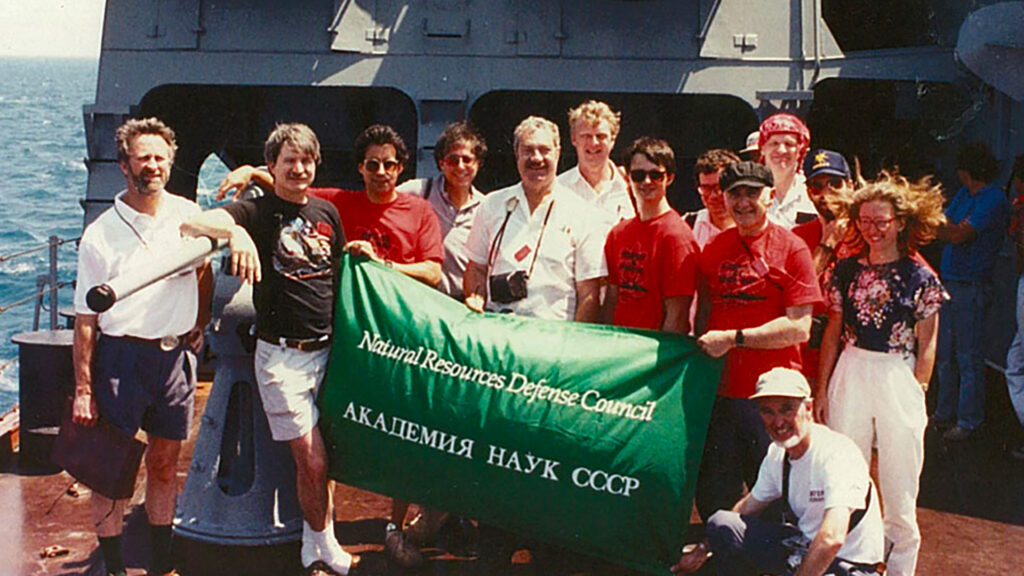
The Black Sea Experiment
By Shelly Lesher | May 16, 2024
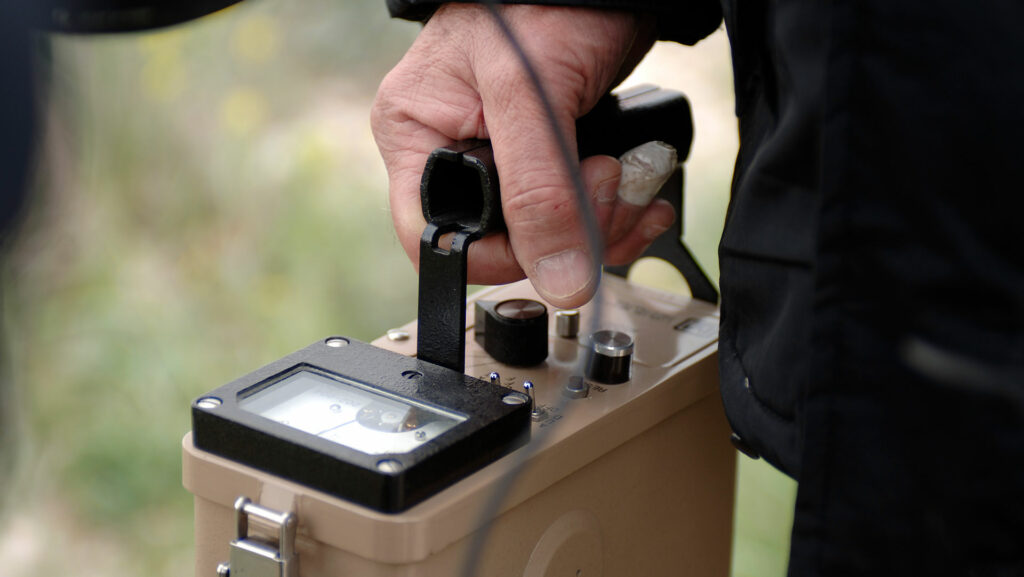
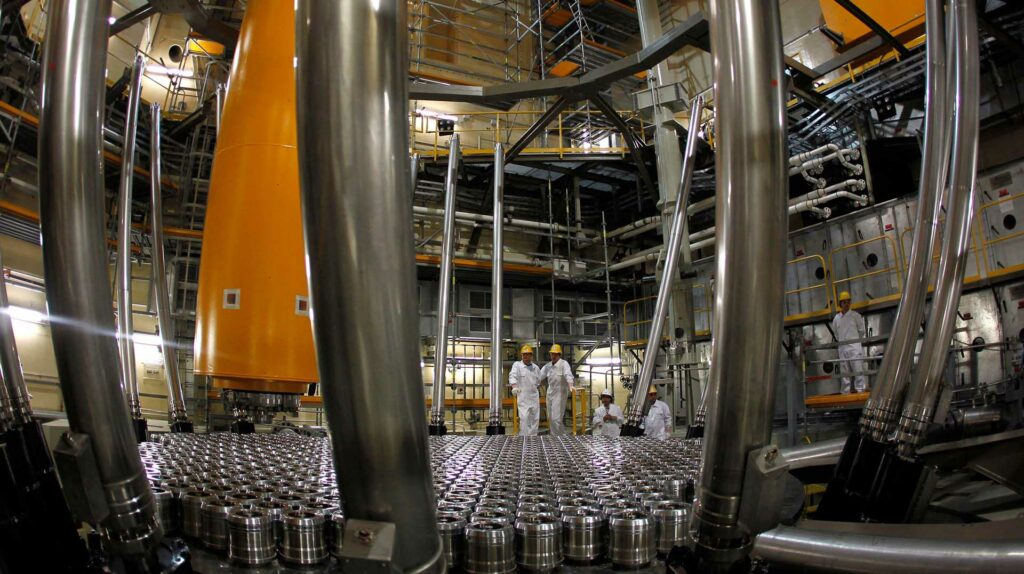
"The Soviets allowed me to sit right on top of the launch tube, right above the warhead. They had made a little X at the point that was right below the warhead, but I verified that that was the location by running a little simple Geiger counter along the tube…"
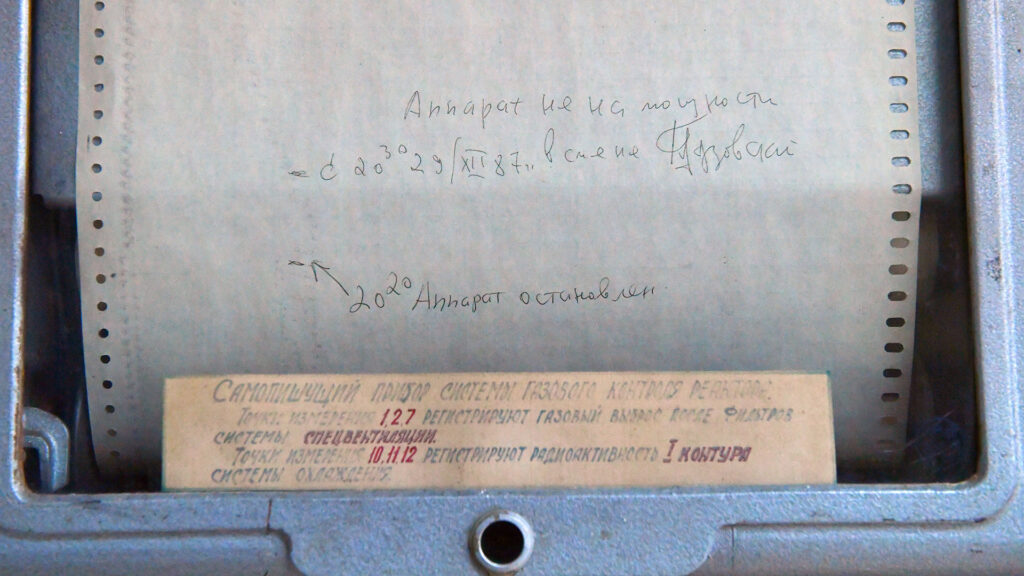
"Science was not developing equally in the country. It was centralized. When the Soviet Union disappeared, good scientists left Moscow for the west in three months. Then the center disappeared, and the structure of science disappeared."
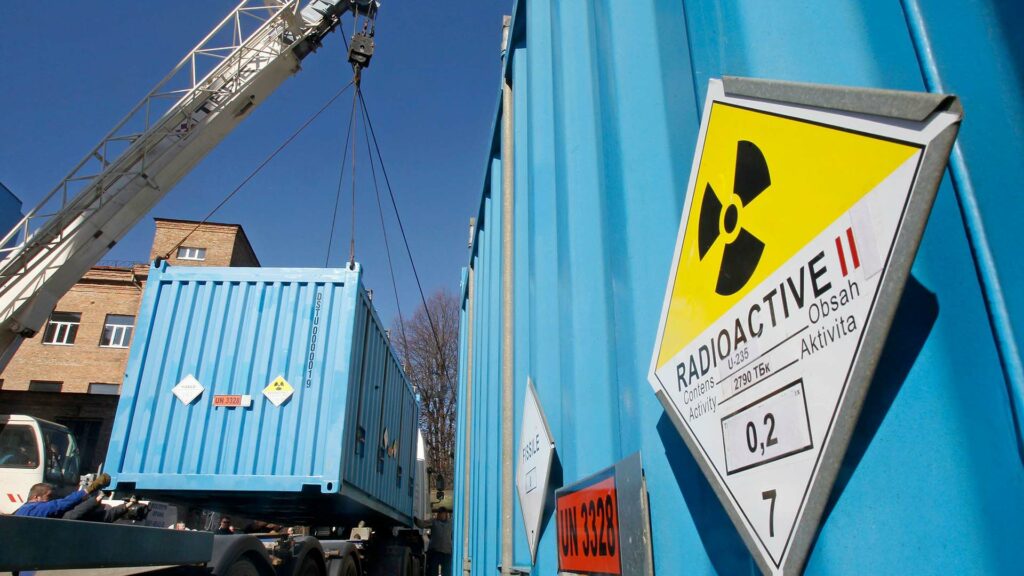
"We knew something was not quite right in the country when the calls started coming in from all around Georgia. It was like an unfolding and scattered disaster, one caused by orphaned radioactive sources."
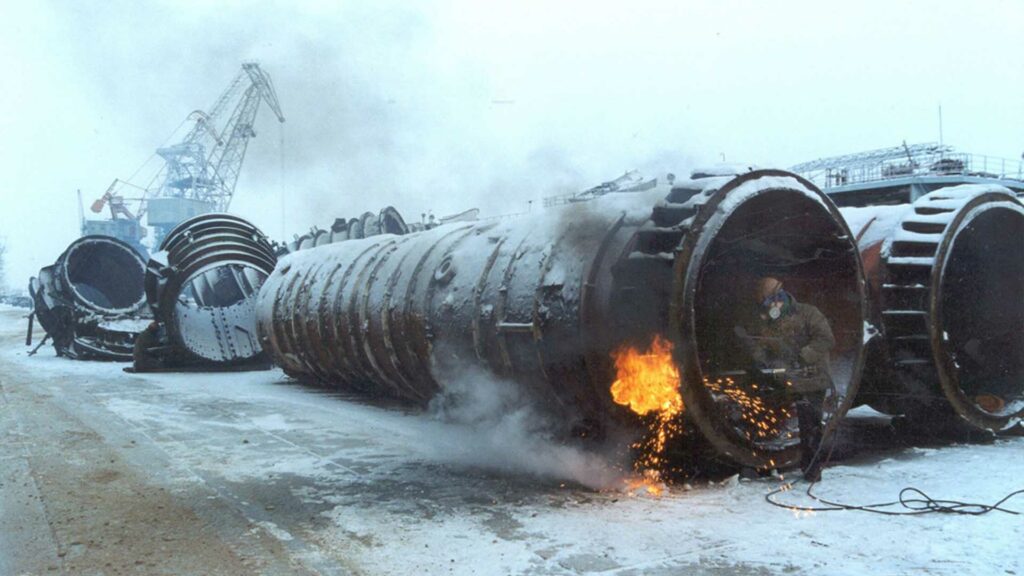
"As the missiles aged, even moving them became increasingly dangerous. Accomplishing this would require long-term cooperation between the United States and Russia and, therefore, needed English-Russian linguists."
"All he knew was the test site had serious radioactive contamination. He also lamented that it was overrun by scavengers who mined copper cables and anything else that could be removed and possibly sold on the international market."
"Working on the Nuclear Cities Initiative and its work in Sarov, home of Russia’s Los Alamos, crystalized for me some essential principles for cooperation."
"We got together in Geneva. In the very first evening consultations, you could see immediately that on the smaller question, what to do about chemical weapons, Russian and American interests lined up."
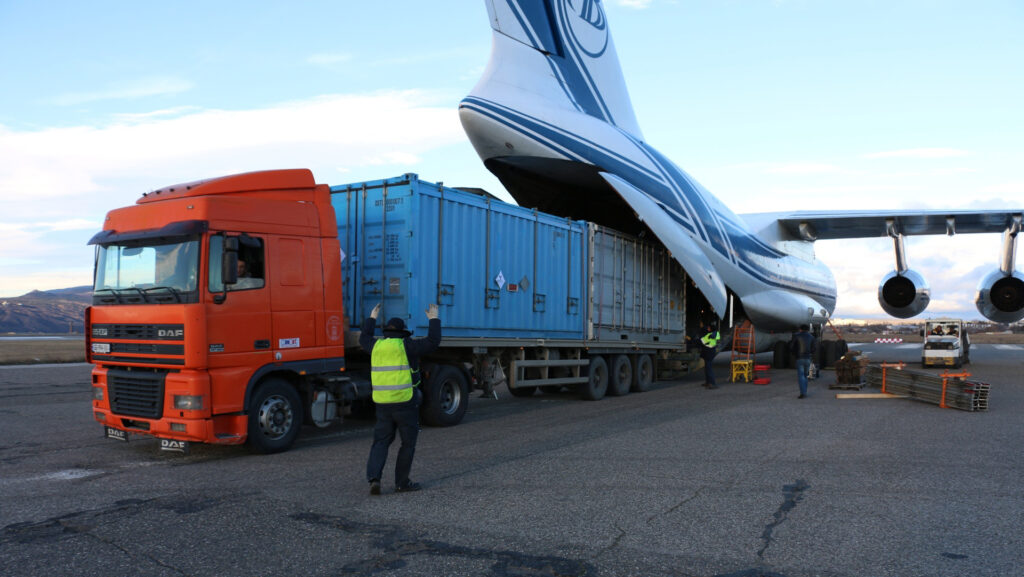
"It sounds like it’s an ocean. 1,300 tons is an impossible amount. How do you deal with that? They did the math, and came back with the answer of about 200 truckloads. And all of a sudden, it becomes thinkable that you can accomplish this."
"What it was was an enormous tailings pond—a kilometer long and half a kilometer wide—right on the Baltic Sea. The rain went through it and washed minerals from the pond, both radioactive and heavy metals, into the sea."
"As the US and Russia pursued the destruction of ISIS in Syria, their ground forces came ever closer to one another. The US commander saw a need for a deconfliction cell to avoid inadvertent clashes. Weeks later, I flew out to take charge of the nascent cell."
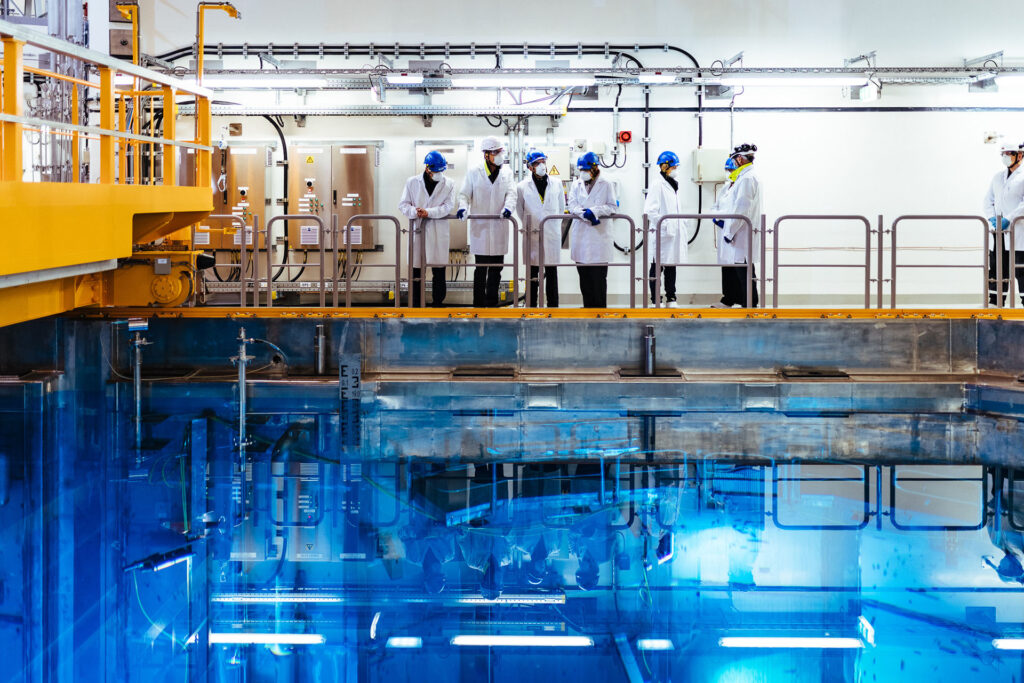
"Theory and practice often diverge in instructive ways. That is certainly the case with nuclear security. Site visits to nuclear facilities can demonstrate this, and are a hugely valuable part of nuclear security training and outreach."
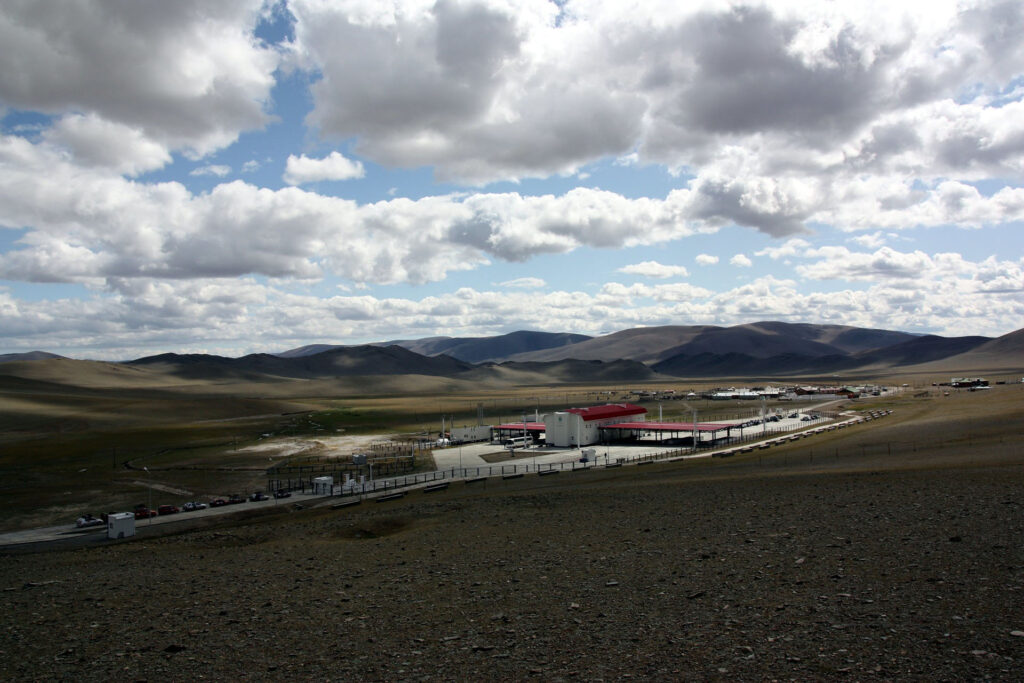
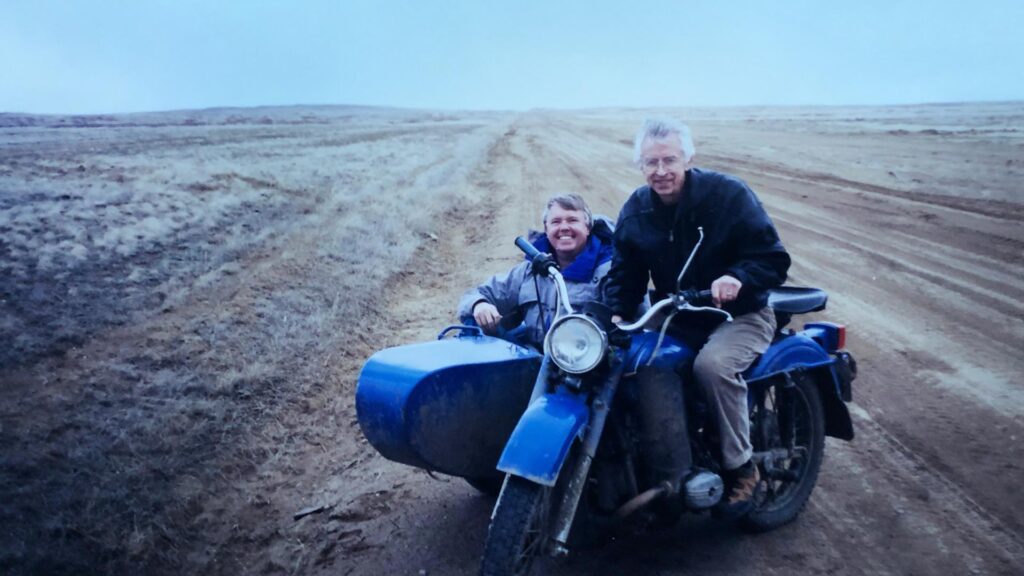
"I left this experience with a new appreciation for the generous nature of our Mongolian partners and their commitment to helping prevent nuclear materials from being smuggled across their vast and beautiful territory."
"This was an entirely new model for deploying portal monitors. And it had to completed on a tight and non-negotiable deadline. We began work in the fall of 2003, and the Olympics were held in mid-August 2004."
"The relationship between Argentina and Brazil is undoubtedly complex, although not necessarily complicated. I witnessed firsthand how public policies can be coordinated at the bilateral level without necessarily having a unification of positions."
"Working relationships with a nuclear adversary involve years of trust building. When the relationship is betrayed, it can raise catastrophic risks. Recreating such a relationship seems impossible without looking back to see how it survived previous crises."